How to Start a Plumbing Business: From Skilled Plumber to Business Owner
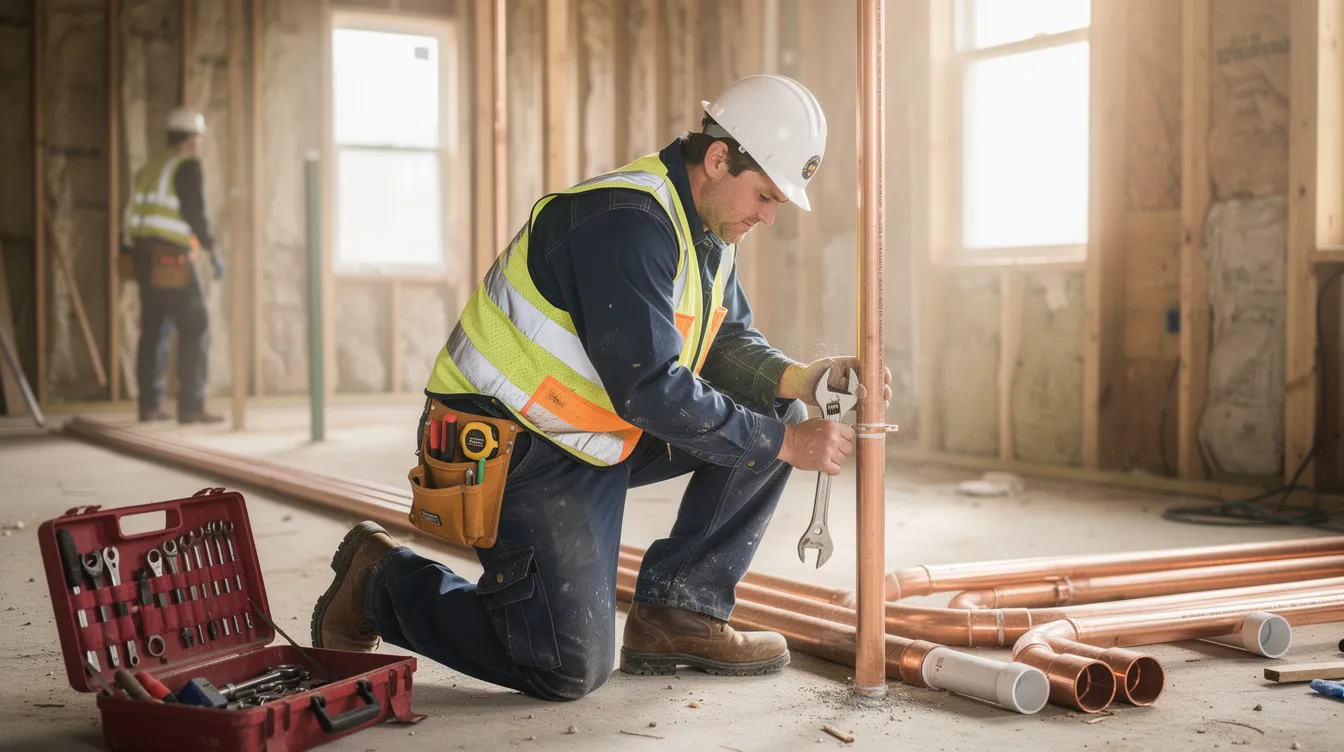
You've spent years learning the trade, solving problems, and building your skills. But what does it take to go from working as a plumber to running your own plumbing business?
Running a plumbing business often means answering customer calls between jobs, scheduling appointments, sending invoices, and keeping up with paperwork. When you're busy serving customers, managing everything behind the scenes can become a challenge.
What Does a Plumber Do?
A plumber is a skilled tradesperson who installs, repairs, and maintains plumbing systems in residential and commercial properties. Their work helps ensure homes and businesses have access to clean water, properly functioning fixtures, and safe wastewater removal.
Plumbers handle a wide range of responsibilities, including:
-
Installing plumbing systems: Setting up pipes, sinks, toilets, showers, faucets, and water heaters.
-
Repairing leaks: Identifying and fixing leaking pipes, faucets, and plumbing connections.
-
Clearing clogged drains: Removing blockages from drains, toilets, and sewer lines.
-
Maintaining water systems: Inspecting plumbing equipment, checking water pressure, and preventing potential problems.
-
Repairing water and sewer lines: Addressing damaged pipes and drainage issues.
-
Following plumbing codes: Ensuring installations and repairs meet applicable safety and building requirements.
Plumbers may work independently, join an established plumbing company, or specialize in residential plumbing, commercial plumbing, or new construction.
How to Become Qualified to Start a Plumbing Business
Before starting a plumbing business, it's important to understand the training, experience, and licensing requirements in your state. If you plan to perform plumbing work yourself, you'll typically need hands-on training and the appropriate professional qualifications. However, requirements for owning and operating a plumbing company may differ from those for performing plumbing services.
-
Complete a Plumbing Apprenticeship: According to the U.S. Bureau of Labor Statistics, most plumbers complete a four- or five-year apprenticeship that combines paid, hands-on training with technical instruction. This experience helps aspiring plumbers develop the skills needed to work toward becoming licensed professionals.
-
Gain Journeyman Experience: After completing their training and meeting licensing requirements, plumbers may qualify for journeyman status. This generally allows them to perform plumbing work independently while continuing to build their experience.
-
Obtain a Master Plumber or Contractor License: Some states require additional experience, examinations, or a master plumber qualification before someone can operate a plumbing contracting business.
Do you need to be a master plumber to own a plumbing business? Not necessarily. Some states allow individuals to own a plumbing company as long as a properly licensed professional oversees the plumbing work. However, licensing requirements differ, so it's important to check with your state licensing board and local authorities before starting your business.
Choose a Business Structure for Your Plumbing Company
Some plumbers starting their own businesses choose to operate as sole proprietors because it's a relatively simple way to get started. However, a sole proprietorship doesn't legally separate you from your business, meaning your personal assets could be at risk if your business faces certain debts or lawsuits.
Some business owners register a DBA (doing business as) to operate under a business name other than their legal name. While a DBA allows you to use a different business name, it doesn't create a separate legal business structure or provide personal liability protection.
Forming a Limited Liability Company (LLC) can provide plumbers with an added layer of protection by separating certain business liabilities from their personal assets. However, an LLC doesn't protect against every type of liability or replace the need for proper plumbing contractor licensing, permits, and business insurance.
If you're unsure which structure is right for your plumbing business, Firstep's business structure wizard and guide to choosing the right business structure can help you explore your options.
You can also read Firstep’s guide, Is an LLC or a Sole Proprietorship the Right Choice for My Business?, for a closer look at the differences between these two business structures.
How to Form an LLC for a Plumbing Business
Forming an LLC involves several steps to make sure your business meets state requirements, and following a step-by-step LLC registration guide can help you stay organized. While the exact rules vary by state, most LLCs will need to complete the following:
-
Choose a Business Name
Select a unique business name that is available in your state. Your official name will typically need to include a designator such as “LLC” or “Limited Liability Company.” -
Appoint a Registered Agent
Your LLC will need a registered agent with a physical address who can receive legal documents and official notices on behalf of the business. -
Submit Your Articles of Organization
Filing your Articles of Organization officially creates your LLC with the state. Some states may use a different name, such as a Certificate of Organization. -
Draft an Operating Agreement
An operating agreement outlines ownership, responsibilities, voting rights, and how important business decisions will be handled. -
Obtain an EIN
An Employer Identification Number, or EIN, is issued by the IRS and may be needed for taxes, hiring employees, and opening a business bank account. -
Open a Business Bank Account
Keeping business and personal finances separate can make bookkeeping easier and help maintain the legal separation between you and your LLC. -
Maintain Ongoing Good Standing
After forming your LLC, you may need to file annual or periodic reports, renew licenses, and keep your business and registered agent information up to date with the state.
Let Firstep Handle the LLC Formation Process
Forming an LLC for your plumbing business involves important paperwork, state filing requirements, and ongoing responsibilities. Firstep Business Solutions helps simplify the process by assisting with LLC formation, ongoing compliance, and business management tools, all in one convenient place.
Plumbing Licensing and Registration Requirements
Before starting your own plumbing business, it's important to understand the licensing and registration requirements in your state. While you may already have experience working as a plumber, operating your own company can involve additional licenses, permits, and business filings.
Requirements vary by state and local jurisdiction, but common steps include:
-
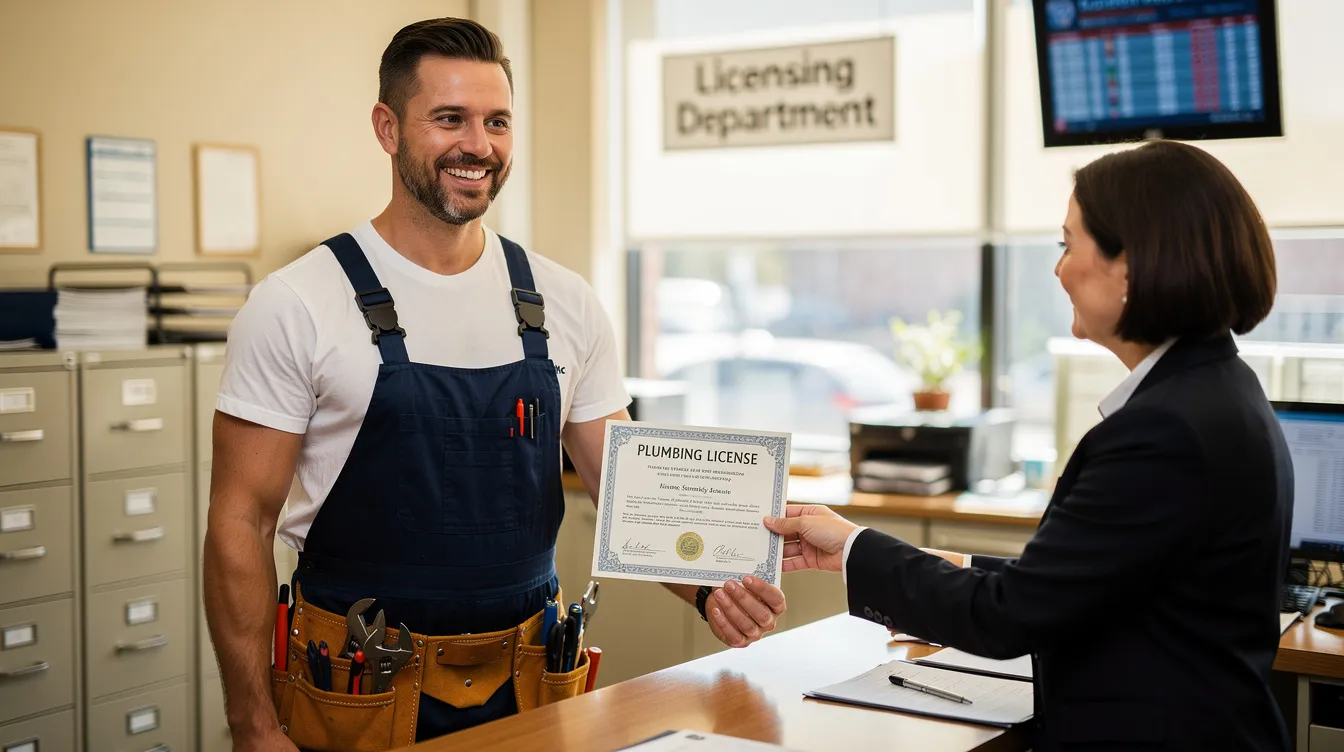
Plumbing License: Most states require plumbers to meet specific training, experience, and examination requirements before working independently.
-
Plumbing Contractor License: Depending on your location, you may need a separate contractor's license or a qualifying master plumber to operate your business.
-
Business Registration: Register your plumbing business with the appropriate state agency. You may choose to form an LLC, corporation, or operate as a sole proprietor.
-
Local Business Licenses and Permits: Some cities and counties require additional business licenses, contractor registrations, or permits for plumbing projects.
-
Insurance and Bonding: Depending on state requirements and the type of work performed, you may need general liability insurance, workers' compensation, or a contractor bond.
-
License Renewals: Keep track of renewal deadlines, continuing education requirements, and any ongoing business filings.
Keep in mind: Forming an LLC does not replace the professional licenses or permits required to perform plumbing work.
Plumbing businesses must also follow the plumbing codes adopted by their state or local jurisdiction. These may include the International Plumbing Code (IPC), Uniform Plumbing Code (UPC), and local requirements for permits and inspections. Understanding which codes apply to your work can help you avoid violations, protect customers, and complete projects safely.
Before accepting customers, check with your state's licensing board and local building department to make sure your plumbing business meets all applicable requirements. Taking care of these steps early can help you avoid costly delays and establish a professional foundation for your company.
What Insurance Does a Plumbing Business Need?
Running a plumbing business comes with certain risks, including accidental water damage, property damage, and workplace injuries. Having the right insurance can help protect your company from unexpected expenses.
Common coverage options include general liability insurance, commercial auto insurance, and workers' compensation if you have employees. Depending on your state and the services you provide, additional insurance or bonding may be required.
How Much Does It Cost to Start a Plumbing Business?
The cost of starting a plumbing business depends on your location, experience, equipment, and the services you plan to offer. A plumber starting independently may have lower expenses than someone opening a larger company with employees.
Common startup costs include business registration, plumbing licenses, insurance, tools, equipment, a service vehicle, and marketing. You may also need a website and scheduling or invoicing software to manage daily operations.
Creating a realistic startup budget can help you prepare for these expenses and build a strong financial foundation for your plumbing business.
How to Price Your Plumbing Services
Before taking on customers, it's important to understand what you need to charge to cover expenses and make a profit. Your pricing should account for labor, materials, travel, insurance, equipment, and other business costs.
Some plumbers charge hourly rates, while others offer flat-rate pricing for common repairs and installations. Researching local rates and understanding your expenses can help you set competitive prices without undervaluing your work.
How to Get Customers for Your Plumbing Business
Starting a plumbing business is one thing, but building a steady customer base takes time and effort. Whether you're working independently or growing a plumbing company, having a strong online presence and providing reliable service can help attract new customers and encourage repeat business.
Here are a few ways to grow your plumbing business:
-
Create a Professional Website: Make it easy for customers to find your services, contact information, and appointment options.
-
Set Up a Google Business Profile: Make it easier for local customers to find your plumbing business online. Include your services, contact information, and the areas you serve. If you work from home and travel to customers, you can create a service-area business profile without displaying your home address.
-
Encourage Customer Reviews: Positive reviews can build trust and help potential customers feel confident choosing your business.
-
Build Local Relationships: Connect with homeowners, property managers, and contractors who may need plumbing services or provide referrals.
-
Simplify Appointment Scheduling: Offer online booking and respond quickly to customer inquiries to avoid missing opportunities.
As your customer base grows, keeping track of appointments, service requests, and follow-ups becomes increasingly important. Having a reliable system in place can help you stay organized and provide a better experience for your customers.
How Firstep Helps You Start and Grow Your Plumbing Business
Starting a plumbing business means more than completing plumbing jobs. Between registering your company, keeping up with state requirements, and managing customers, the business side can quickly become overwhelming.
Firstep Business Solutions helps simplify these responsibilities by offering LLC formation, ongoing compliance support, website creation, and business management tools in one convenient place. From scheduling appointments and sending invoices to accepting payments and managing customer information, Firstep helps you stay organized without juggling multiple systems.
As your plumbing business grows, features like automated follow-ups and review management can help you maintain customer relationships and build a stronger reputation. Whether you're working independently or expanding your plumbing company, Firstep gives you the tools to spend less time managing administrative tasks and more time focusing on your customers.
Frequently Asked Questions About Starting a Plumbing Business
1. Do I need a license to start a plumbing business?
Most states and local jurisdictions require plumbers to hold specific licenses before performing certain types of plumbing work. Depending on your location, you may also need a plumbing contractor's license to operate your own business. Always check your state and local licensing requirements before getting started.
2. Do I need an LLC for my plumbing business?
You don't necessarily need an LLC to start a plumbing business, but forming one can offer advantages. An LLC generally helps separate your personal assets from business liabilities and can give your company a more professional structure. However, liability protection has limitations, and business insurance is still important.
3. How much does it cost to start a plumbing business?
Startup costs depend on your location, equipment, and business size. Common expenses include licensing fees, business registration, insurance, plumbing tools, a service vehicle, and marketing. Starting as a solo plumber may cost less than opening a larger plumbing company with employees.
4. What insurance does a plumbing business need?
General liability insurance is commonly recommended for plumbing businesses because it can help cover certain property damage or injury claims. Depending on your business and state requirements, you may also need commercial auto insurance, workers' compensation, or professional liability coverage.
5. Can I start a plumbing business from home?
Yes, many plumbing business owners start by operating from home to reduce overhead costs. However, you'll still need to follow local zoning rules, licensing requirements, and any regulations related to storing equipment or operating a business from your property.
6. Do I need an EIN for my plumbing business?
An Employer Identification Number (EIN) is issued by the IRS for federal tax purposes. Whether you need one depends on your business structure and whether you have employees. An EIN may also be useful when opening a business bank account.
7. How can I attract customers to my new plumbing business?
Building a professional website, creating a Google Business Profile, asking satisfied customers for reviews, and connecting with local contractors can help attract new customers. Providing reliable service and responding quickly to inquiries can also encourage repeat business and referrals.
8. Can I start a plumbing business without being a master plumber?
Owning a plumbing business and being licensed to perform plumbing work aren't always the same thing. Depending on your state, you may be able to own a plumbing company without holding a master plumber license yourself. However, your business may need a licensed master plumber or qualified plumbing contractor to oversee certain operations.
Licensing requirements vary by state and local jurisdiction, so it's important to understand both the business registration and professional licensing requirements before getting started.
Ready to Start Your Plumbing Business?
Starting your own plumbing business is an exciting opportunity to turn your skills and experience into something of your own. From obtaining the proper licenses and choosing a business structure to managing customers and staying compliant, every step contributes to building a successful company.
Firstep Business Solutions helps simplify the business side with LLC formation, ongoing compliance support, and tools to manage everyday operations. You focus on providing quality plumbing services, and Firstep helps you handle the administrative side.
Ready to take the next step? Explore Firstep's LLC formation services and start building your plumbing business today.