How To Start an Electrician Business: LLC, Licensing, and Insurance
Starting your own electrician business is an exciting opportunity, but there's more to it than having the right tools and technical experience. From choosing a business structure and obtaining the proper licenses to securing insurance and managing customers, building a successful electrical business requires careful planning.
Whether you're an experienced electrician ready to work independently or planning to open an electrical contracting company, understanding these requirements can help you establish a strong foundation.
In this guide, we'll walk through how to start an electrician business, form an LLC, understand licensing and insurance requirements, and organize your daily operations. You'll also learn how Firstep Business Solutions can help simplify LLC formation, ongoing compliance, and everyday business management.
What Does an Electrician Do?
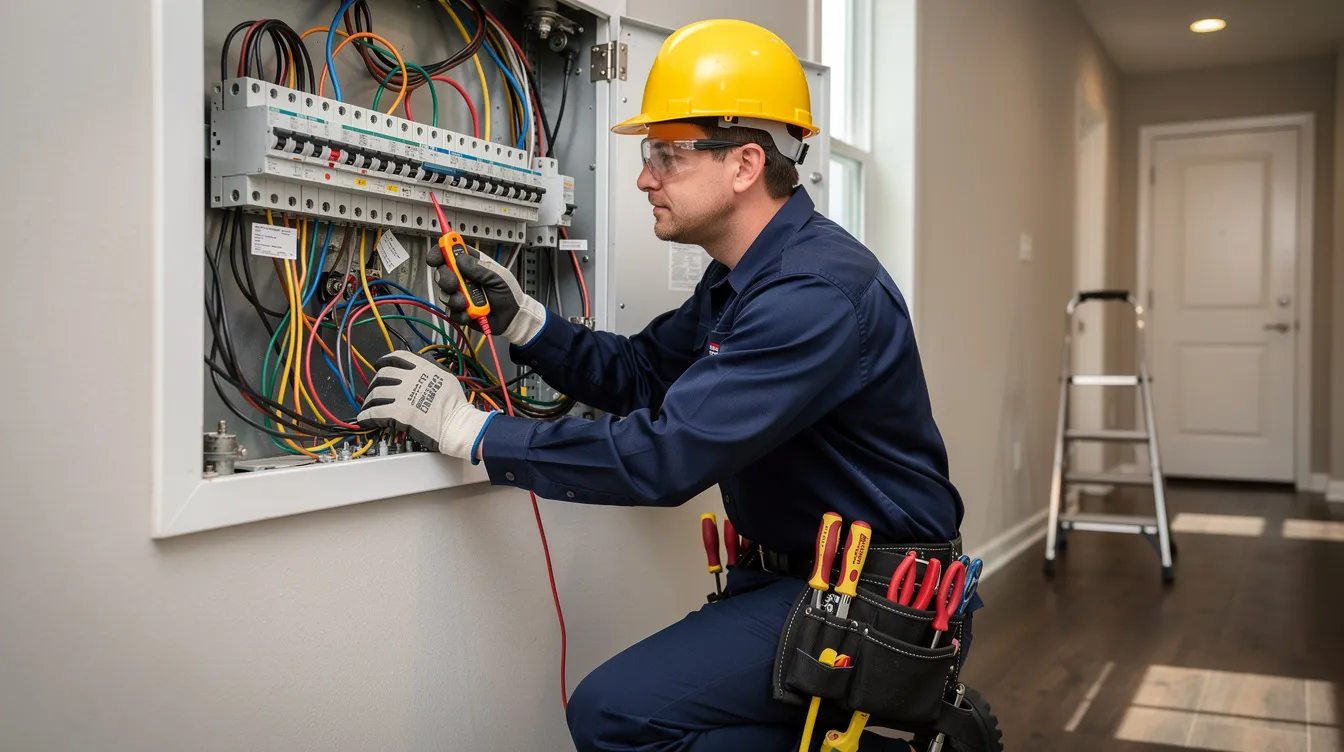
Electricians are skilled tradespeople who install, maintain, and repair electrical systems in residential, commercial, and industrial settings. Their work includes wiring, electrical panels, circuit breakers, lighting, troubleshooting, and ensuring electrical systems meet applicable safety codes.
Most electricians begin their careers through apprenticeships, gaining hands-on experience and technical training before advancing to journeyman or master electrician roles. Licensing requirements vary by state and local jurisdiction, especially for those planning to work independently or start their own electrical contracting business.
Choose the Right Business Structure for Electrical Contractors
Many electricians starting their own businesses choose to operate as sole proprietors because it's a relatively simple way to get started. However, a sole proprietorship doesn't legally separate you from your business, meaning your personal assets could be at risk if your business faces certain debts or lawsuits.
Some business owners register a DBA (doing business as) to operate under a business name other than their legal name. While a DBA allows you to use a different business name, it doesn't create a separate legal business structure or provide personal liability protection.
Forming a Limited Liability Company (LLC) can provide electricians and electrical contractors with an added layer of protection by separating certain business liabilities from their personal assets. However, an LLC doesn't protect against every type of liability or replace the need for proper electrical contractor licensing, permits, and business insurance.
If you're unsure which structure is right for your electrician business, Firstep's business structure wizard and guide to choosing the right business structure can help you explore your options.
You can also read Firstep’s guide, Is an LLC or a Sole Proprietorship the Right Choice for My Business?, for a closer look at the differences between these two business structures.
How to Form an LLC for an Electrician Business
Forming an LLC involves several steps to make sure your business meets state requirements, and following a step-by-step LLC registration guide can help you stay organized. While the exact rules vary by state, most LLCs will need to complete the following:
-
Choose a Business Name
Select a unique business name that is available in your state. Your official name will typically need to include a designator such as “LLC” or “Limited Liability Company.” -
Appoint a Registered Agent
Your LLC will need a registered agent with a physical address who can receive legal documents and official notices on behalf of the business. -
Submit Your Articles of Organization
Filing your Articles of Organization officially creates your LLC with the state. Some states may use a different name, such as a Certificate of Organization. -
Draft an Operating Agreement
An operating agreement outlines ownership, responsibilities, voting rights, and how important business decisions will be handled. -
Obtain an EIN
An Employer Identification Number, or EIN, is issued by the IRS and may be needed for taxes, hiring employees, and opening a business bank account. -
Open a Business Bank Account
Keeping business and personal finances separate can make bookkeeping easier and help maintain the legal separation between you and your LLC. -
Maintain Ongoing Good Standing
After forming your LLC, you may need to file annual or periodic reports, renew licenses, and keep your business and registered agent information up to date with the state.
Let Firstep Handle the LLC Formation Process
Forming an LLC for your electrician business involves important paperwork, state filing requirements, and ongoing responsibilities. Firstep Business Solutions helps simplify the process by assisting with LLC formation, ongoing compliance, and business management tools, all in one convenient place.
How Long Does It Take to Become a Licensed Electrician?
Becoming a licensed electrician takes time, training, and hands-on experience. Many electricians begin with a high school diploma or equivalent before entering an apprenticeship program.
Most electricians complete apprenticeship programs lasting four to five years that combine paid hands on training with technical instruction. The program includes electrical theory, blueprint reading, mathematics, electrical code requirements, safety procedures, first aid practices, and some programs also provide specialized training in areas like fire alarm systems. Some workers enter this path after they gained electrical experience in the construction industry, while some contractors offer their own training programs that are not recognized as apprenticeship programs. After completing the required training and experience, they may take a licensing exam and qualify as a journeyman electrician or another qualified electrician depending on local rules.
Because electrician licensing requirements vary by location, the exact timeline can differ. Anyone planning to work independently or start an electrician business should check with their state electrical licensing board to understand the specific experience, testing, and licensing requirements that apply.

Licenses, Permits, Electrical Code Requirements, and Insurance for Electricians
Before taking on customers, electricians should check the licensing and business requirements in their state and local area and make sure they properly register their business. Depending on where you operate and the type of electrical work you provide, you may need an electrician or electrical contractor license, a local business license, permits, or other approvals. Requirements can also vary depending on whether you work independently, operate a contracting business, or hire employees.
Electrical contractors must also follow applicable electrical codes to ensure their work meets safety standards. The National Electrical Code (NEC) establishes safety standards for electrical installations, although the specific code edition and requirements enforced may vary by state and local jurisdiction. Staying familiar with current code requirements, permits, and inspections helps electricians protect their customers, avoid costly violations, and keep their businesses compliant.
Business insurance is another important consideration. General liability insurance can help protect your electrician business from certain claims involving accidents, injuries, or property damage, while other types of coverage may be appropriate depending on how your business operates. You will also need to stay on top of ongoing business filings and compliance requirements. Because licensing, permit, and insurance requirements vary by location, it is important to check with your state licensing board and local government before you begin accepting customers.
How Much Does It Cost to Start an Electrician Business?
The cost of starting an electrician business depends on your location, experience, and the services you plan to offer. An electrician working independently may have lower startup costs than someone opening an electrical contracting company with employees and multiple service vehicles.
Common startup expenses include business registration, LLC filing fees, electrical contractor licenses, insurance, tools, safety equipment, transportation, and marketing. You may also want to budget for a professional website, scheduling software, and invoicing tools to help manage your business.
Before getting started, take inventory of the equipment you already own and research your state and local requirements. Creating a realistic budget can help you avoid unexpected expenses and build a stronger financial foundation for your electrical business.
How Firstep Helps You Start and Grow Your Electrician Business
Starting an electrician business means more than completing electrical jobs. Between registering your company, keeping up with state requirements, and managing customers, the business side can quickly become overwhelming.
Firstep Business Solutions helps simplify these responsibilities by offering LLC formation, ongoing compliance support, website creation, and business management tools in one convenient place. From scheduling appointments and sending invoices to accepting payments and managing customer information, Firstep helps you stay organized without juggling multiple systems.
As your electrical business grows, features like automated follow-ups and review management can help you maintain customer relationships and build a stronger reputation. Whether you're working independently or expanding your electrical contracting company, Firstep gives you the tools to spend less time managing administrative tasks and more time focusing on your customers.
Frequently Asked Questions About Starting an Electrician Business
Do I Need an LLC to Start an Electrician Business?
No, an LLC isn't required for every electrician business. However, forming one can help protect your personal assets from certain business debts and lawsuits. Keep in mind that an LLC doesn't replace electrical contractor licensing, permits, or insurance, which may be required depending on your state and the services you provide.
Can I Start an Electrician Business on My Own?
Yes! Many electricians start as independent contractors before expanding their businesses. Just make sure you meet your state and local licensing requirements before taking on electrical work independently.
How Long Does It Take to Become a Licensed Electrician with On the Job Training?
Most electricians spend several years gaining hands-on experience and completing training before qualifying for independent work. The timeline depends on your state's licensing requirements and the level of certification you're pursuing.
Does My Electrician Business Need Insurance?
Having the right insurance is an important part of protecting your electrical business. General liability insurance can help cover certain accidents, injuries, and property damage. Additional coverage may be required depending on your location and whether you have employees.
How Do I Keep My Electrician LLC in Good Standing?
Keeping your LLC in good standing means staying current with state requirements, which may include annual reports, business taxes, and updating registration information. You'll also want to keep track of electrical contractor license renewals and insurance deadlines to avoid unnecessary penalties.
Set Your Electrician Business Up for Success
Starting an electrician business takes planning, experience, and the right business structure. From obtaining the necessary licenses and insurance to managing customers and staying compliant, every step plays a role in building a successful company.
Ready to Start Your Electrician Business?
You've got the electrical skills. Let Firstep Business Solutions help with the business side. From forming your LLC and managing ongoing compliance to setting up the tools you need to run your business, Firstep helps make getting started easier.
Take the next step toward business ownership. Explore Firstep's LLC formation services today!