Understanding the Corporate Veil: Protecting Your Personal Liability
Introduction to the Corporate Veil
Piercing the corporate veil can happen when a business's owners and shareholders are held responsible for liabilities and debts owed by the business in the instant of a lawsuit or other legal regulations. This usually occurs if the business is operating in an illegal way such as committing fraud, not properly separating personal and business assets, or not maintaining compliance and keeping their legal business status in good standing. Being aware of what the corporate veil is and how it can be "pierced" is an extremely important aspect for anyone that is running a business or considering doing so.
This guide will cover what the corporate veil is for new business owners so they are able to understand the importance of maintaining your personal asset protection.
What Is the Corporate Veil?
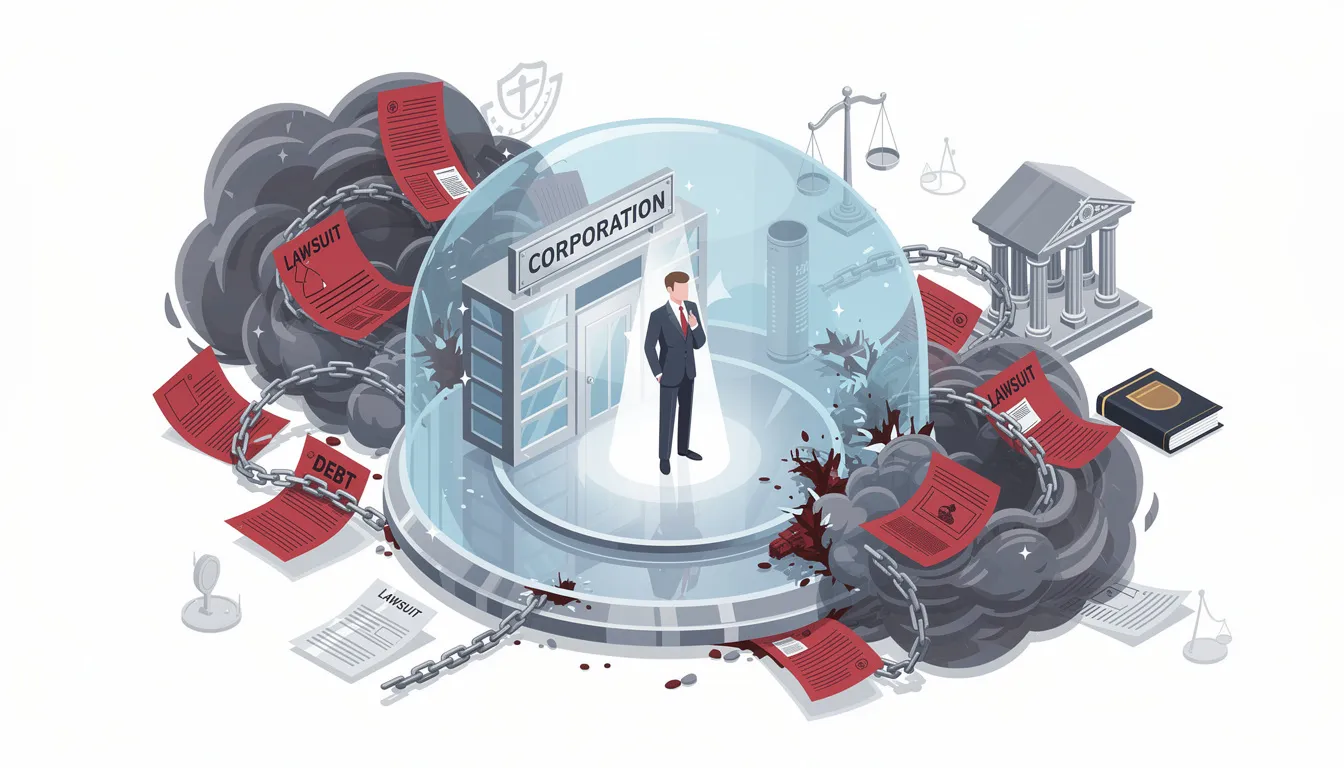
The corporate veil is the idea that business owners and shareholders are separate from their business entities they own and operate. This will ensure the personal asset protection that LLCs and Corporations offer is ongoing and does not put your personal home, car, or savings at risk of being taken if there are debts incurred or a lawsuit against your business.
Importance of Corporate Formalities
Once you understand what the corporate veil is, the next step is to understand how to actually maintain it and the protections that are covered with it. Regardless of the business structure you are considering, staying up to date on the formalities that will be required of you as a business owner is a huge factor in maintaining the corporate veil. Failing to do this and piercing the corporate veil can leave the business owner, shareholders, and other responsible parties at risk for the debts and obligations that are owed by the business.
Key formalities:
-
Holding annual meetings
-
Taking minutes in these meetings
-
Creating a separate bank account
-
Ensuring your bylaws are correctly formatted
-
Separation of personal and business finances
Consulting with legal counsel and professional services can help make this process easier for your business and take some of the guessing out of it. This, combined with allowing yourself more time to focus on your business activities, can be a nice advantage of using a service to maintain compliance with the Secretary of State
Maintaining these formalities is the first step in protecting your personal assets, and next, we’ll look at how keeping your business as a separate entity further strengthens this protection.
Separate Entity Concept
Building on the importance of corporate formalities, maintaining a separate entity is one of the most important aspects of the corporate veil and can be extremely simple if done correctly. Making sure you have a separate entity, name, bank account, and tax identification number are all included in maintaining this, which also helps with day-to-day operations.
It's highly recommended to keep personal finances and business finances separate to avoid any confusion or commingling of funds. Getting these blurred can lead to a very confusing and time consuming time once tax season comes around, and sifting through bank statements to determine which charges are business related and which ones are personal can lead to mistakes on your taxes.
Keeping your business annual reports up to date, having clean and correct record keeping, and separating all aspects of your business and your personal assets are all going to help ensure the compliance of your business with the regulations required to maintain a separate legal entity.

Benefits of an LLC vs Sole Proprietorship
If you are debating what kind of business structure to start with, an LLC can be an easy way to get the protections a formal business entity provides while still having the flexibility and ease of making changes as your business grows. A corporation might have some more requirements and regulation imposed on them by the state they are operating in, but if you are planning to issue shares, commit to growth and investment opportunities, or going public then a corporation could be the best option for your circumstances.
Sole proprietorships are beneficial due to not having many regulations for operating as one, but if you do plan to conduct business under a different name other than your own you need to register a DBA at the very least. A main drawback of sole proprietorships is they do not offer any personal asset protection like an LLC or corporation does which can be a deciding factor based on your business needs.
It's important to consider all your options when choosing what structure to choose for your business. Understanding what benefits each business type can give you and the separate entity concept will help set your business up for success and allow you to understand the key aspects of asset protection they offer.
Liability Protection
With a clear understanding of the separate entity concept, we can now focus on liability protection. Protecting your personal liability is a key benefit of creating or forming an LLC or a Corporation to operate your business. This is to ensure you are not personally responsible for any business debts, and your personal assets are protected in the case of any legal proceedings, such as your home, car, and savings.
This is a great advantage, but it is not an all-encompassing thing and must be handled correctly. Business owners can still be held responsible if they are engaging in any wrongful or illegal activities, or if they do not maintain their legal and formal business compliance at any time.
Exceptions to Protection
There are exceptions to the personal liability protection that is granted to business owners by the corporate veil. For instance, if you fail to maintain separation between your business and personal finances, or engaging in fraud or illegal activities will eliminate the protections for yourself and your business.
Understanding what all is protected under these guidelines is important, but its just as important to know how these could be potentially lost. In the next sections we will look at just how you can lose the protections provided by having a registered business entity and how to avoid that.
Piercing the Corporate Veil
While the corporate veil offers strong protections, these can be set aside under certain circumstances. Piercing the corporate veil refers to a legal situation where courts set aside the limited liability protection and hold business owners or shareholders personally liable for the company’s debts and obligations.
Common causes of piercing the corporate veil include:
-
Fraud or misrepresentation
-
Failure to maintain separation of funds
-
Not following required corporate formalities
-
Undercapitalization
-
Engaging in illegal or fraudulent business activities
Engaging in illegal or fraudulent business activities can lead to personal liability for business debts. Being aware of the risks of this outcome and protecting your business from this is an important aspect of managing a business, and being safe from losing any personal assets if your business fails or is unable to continue.
Accurate record keeping and bylaws can also help to prevent piercing the corporate veil by ensuring everything is being done correctly and legally. Next, we’ll look at the consequences if the corporate veil is pierced.
Consequences of Piercing the Corporate Veil
After understanding the risks, it's important to know the consequences. The consequences of piercing the corporate veil can be severe. These can include things such as losing personal assets, savings, and even your home. Having assets as important as those at risk are a huge reason to ensure your business is being compliant and maintaining good standing.
It's up to owners to be able to manage the business, as well as manage the legal implications of how the business is operated. As mentioned before, owners should be aware of the risks associated with piercing the corporate veil and conduct thorough research on their own.
Making sure your personal assets are protected is very important to protect yourself in case anything were to happen with your business. Just be sure your business is following all legal guidelines and state requirements along the way to ensure the corporate veil is kept in place.

Understanding the consequences helps reinforce the importance of proper business funds management, which we’ll discuss next.
Business Funds Management
Building on the need to avoid the consequences of piercing the corporate veil, maintaining separation between your business funds and personal funds is another aspect of protecting the corporate veil. Business owners should keep personal and business bank accounts separate to maintain the corporate veil. Commingling personal and business funds can lead to the loss of limited liability protection for business owners.
Here’s a checklist for separating business and personal funds:
-
Use a business bank account for all company transactions
-
Use a business credit card for purchases relating to your business operations
-
Never mix personal and business funds
-
Obtain an EIN number for tax purposes
-
Use your EIN to hire employees and set up business accounts
Obtaining an EIN for your business makes it easier to separate the two and gives you the ability to hire employees, set up a business bank account, and protects your personal social security number from being anywhere public. There are many advantages to this and it can be easy to obtain. Either you can obtain an EIN yourself or have a professional business service take care of this for you so you can focus on your business operations.
Proper funds management is a key part of maintaining the corporate veil, but it’s also important to ensure your company is adequately capitalized, which we’ll cover next.
Inadequately Capitalized Companies
Following the discussion on business funds management, it’s important to address capitalization. A company that is inadequately capitalized is much more likely to pierce the corporate veil. This happens for multiple reasons, such as not having enough funds when starting a business, relying too much on business loans and not having enough cash flow, or having to cut corners on certain aspects of business management to save money.
This can lead to not having the corporate veil protections and leave the business owner and shareholders liable for any losses or debt that is incurred by the business.
This is another aspect where keeping accurate records and accounting processes is able to help owners be responsible for funds and cash flows. Having accurate numbers allows owners to know where they stand financially and make sure they do not overspend. Legal counsel and professional services can also help businesses know their requirements and the best way to operate, but it’s important to do your own research as well to make sure you personally understand the requirements.
Understanding the risks of undercapitalization leads us to some of the most frequently asked questions about the corporate veil.
Seeking Professional Help
If you are not an expert on these topics and want to ensure you maintain the corporate veil, it can be a good idea to seek professional help for advice. Legal counsel is able to give advice on handling money, accounting, and business regulations that need to be followed. Professional services such as a business compliance service can help maintain your status as a legal entity, and keep all information up to date to ensure your business stays in good standing.
Having outside help is an advantage because it can be difficult to find faults with your business operations from the inside. Getting a new set of eyes on your record keeping and important aspects of maintaining good standing can help avoid costly mistakes, as well as protecting your personal assets in case anything happens with your business.