Can a Minor Own an LLC? Guidelines for Young Entrepreneurs to Be Aware Of
Introduction to Business Entities
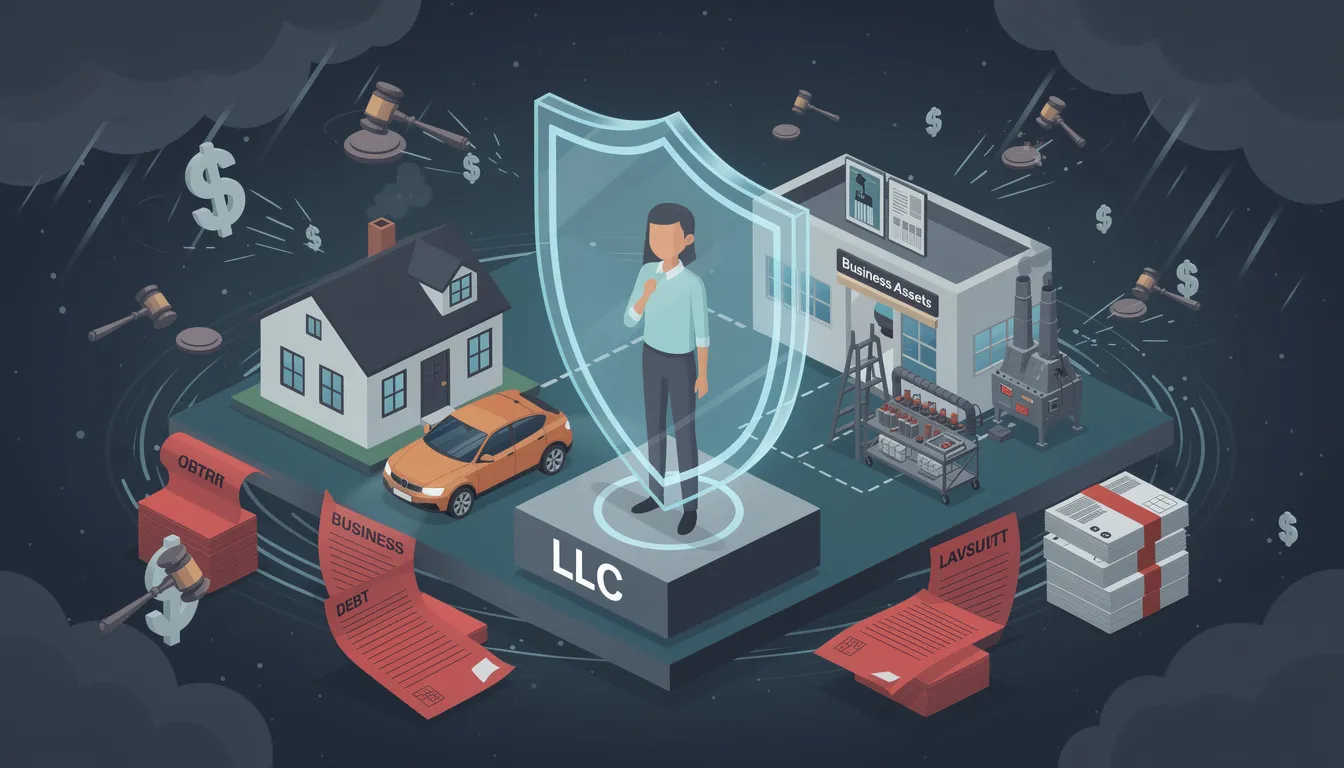
A limited liability company (LLC) is a separate legal entity that provides personal asset protection for its owners. One of the main reasons to form an LLC is to limit your personal liability, so your assets are protected from business debts and any potential lawsuits.
A great idea can inspire young entrepreneurs to legally organize their business as an LLC, providing a clear legal structure and liability protection. Every state has its own LLC laws, and these laws can vary regarding the age of the organizer. Most states do not have a minimum age requirement for an LLC owner, though some require the organizer to be an adult. Other states, either do not allow minors to be members or require an adult to sign for the minor and deal with daily operations due to minor contract laws.
An LLC can have any number of members, ranging from one to hundreds. This is a popular business structure for small businesses and startups due to its flexibility and simplicity. Minors can typically own an LLC, but there are special legal rules and requirements to consider, and these laws can vary by state and are subject to change.

Quick Answer: Can a Minor Own an LLC?
Summary
-
Most states do not have rules prohibiting a minor from forming an LLC, but a few require that LLC organizers must be at least 18 years old or at least have a trusted adult that can sign contracts and operate the business on their behalf.
-
In states like Colorado, Illinois, Minnesota, Oregon, and Texas, minors are prohibited from organizing an LLC or being a member.
-
If a minor lives in a state that does not allow them to form an LLC, they can have an adult serve as the organizer on their behalf.
-
Custodial laws like the Uniform Transfers to Minors Act(UTMA) can be used to have an adult hold the LLC membership interest for a minor.
Benefits of Forming an LLC
Forming an LLC offers several advantages for young entrepreneurs:
-
Limited Liability Protection: Separates your personal assets from your business assets, which shields personal assets like your home and car from business debts and potential lawsuits.
-
Flexible Taxation Options: LLCs have multiple taxation choices to make, most notably pass through taxation, which helps benefit young business owners and avoids the double taxation that corporations deal with
-
Multiple Owners Allowed: LLCs are able to have multiple owners, or members, and these members are able to be either individuals or other businesses. This can be a helpful aspect as both adults and minors are able to be members of an LLC in most states which can help when a minor starts a business.
-
Credibility and Investment: Having an established LLC is helpful to young business owners to build a foundation of credibility that is able to attract investors, partners, and sponsorships.
-
Formal Business Structure: Formation of a legal business entity such as an LLC allows a minor to have many options in expanding the business, building connections, and building their brand.
Understanding these benefits can help young entrepreneurs and their families decide if an LLC is the right business structure. Next, let’s look at the legal requirements for minors who want to form or own an LLC.

Legal Requirements for Minors
State laws and special legal rules govern whether minors can form LLCs, and these rules vary widely. Each state has its own LLC law that determines the requirements for minors forming LLCs. For example, in states like Colorado, Illinois, Minnesota, Oregon, and Texas, minors are prohibited from organizing an LLC. In cases like this, if a minor lives in a state that does not allow them to form an LLC, they can have a supportive and trusted adult or parent serve as the organizer on their behalf.
Minors under 18 may face challenges when forming an LLC due to special legal rules governing their ability to enter into contracts. Some states prohibit minors from serving as organizers for an LLC. A minor-owned LLC may require a guardian to manage the minor’s interests.
Due to how contract laws and minors are treated, some companies might not want to enter into contract with a minor unless they are able to have an authorized adult sign into the contract for the business as well. This is because business owners are typically able to void any contracts they entered while still being a minor, which can negatively impact credibility and relationships with other business partners.
Minors and their legal guardians should consult with a tax professional to understand the tax implications of owning an LLC. These laws vary from state to state, so it’s essential to understand the specific requirements that relate to your specific business.
Emancipated Minors
A minor who is legally emancipated may form an LLC independently and act as an adult in legal matters, including business formation.
LLC Ownership and Management
LLC members can be individuals or other business entities, and minor members can typically own interests in an LLC, but there may be restrictions on their ability to act as organizers or managers. Such membership is not always permitted in every state, and adults may need to act on the LLC's behalf to ensure legal compliance.
An LLC can have a member-managed or manager-managed structure. Adopting a manager-managed structure can help address legal and operational challenges that minor members face by appointing adult managers to oversee day-to-day activities.
Adult members serve as managers or organizers and can act as the LLC's agents to sign contracts and make decisions on the LLC's behalf. To avoid issues with contracts, it is advised for minor-owned LLCs to include adult members who can sign contracts for the LLC due to the clouded environment around minors and legal contracts. Some brands and businesses might be hesitant to enter into contract with a minor as it can be easily voided, but if a trusted adult is the signee then this may relieve some concerns these companies could have.
Filing a statement of authority can specify that only adult members have the authority to bind the LLC to contracts, ensuring that only those over 18 can sign contracts and serve as registered agents. A written LLC operating agreement is essential to outline the roles and responsibilities of members and managers.
Minors can be passive investors in an LLC, allowing them to own a business without being actively involved in management.
Limited Liability Protection
Having an LLC provides you with personal asset protection, which shields your assets such as your home, car, and retirement accounts in case any debts or lawsuits are imposed on your business. Keeping your personal and business finances separate is a very important aspect of continuing this protection, and not piercing the corporate veil. For more information on keeping your finances separate and protecting your assets, see our guide the corporate veil.
Forming an LLC as a Minor
Starting a new business as a minor can be an exciting but stressful first step in turning a good business idea into a real business opportunity. The process of forming an LLC is similar for minors and adults. First, it starts with selecting a unique business name, then filing the articles of organization with the Secretary of State to officially form your business. Next you will need to get approved for any licenses or permits your business might be required to have. However, a minor will need to navigate the laws and requirements that will affect their ability to enter into a contract and act as members of the LLC.
One of the first hurdles is finding a registered agent who meets the state’s age requirements. Typically, this means the agent must be at least 18 years old. This is crucial because the registered agent is responsible for receiving legal documents on behalf of the LLC. Additionally, some states may have restrictions on whether a minor can serve as the organizer or hold certain management roles within the business entity.
Despite these challenges, forming a minor owned LLC offers significant advantages. It creates a separate legal entity, which means the LLC’s assets and liabilities are distinct from the personal assets of its members. This limited liability protection is especially valuable for young business owners, as it helps shield their personal finances from business risks. By establishing a minor owned business as an LLC, young entrepreneurs can build credibility, access new opportunities, and lay the groundwork for long-term success.
Finalizing the LLC Formation
After filing the articles of organization, the next step for a minor owned LLC is to finalize the business entity’s structure and operations. This involves creating a written LLC operating agreement, which is essential for outlining the roles, responsibilities, and rights of all LLC members, this is including the minor. The operating agreement should also specify whether the LLC will use a manager management structure, allowing designated managers (often adult members) to oversee daily operations and make important decisions on the LLC’s behalf.
Obtaining an employer identification number (EIN) from the IRS is another critical step. The EIN is required for tax purposes and is necessary to open business bank accounts in the LLC’s name. When opening these accounts, banks will typically request the EIN, articles of organization, and the operating agreement. Because minors may not be able to open accounts independently, adult members can serve as co-signers to ensure the LLC can manage its finances and conduct business smoothly.
By carefully following these steps and meeting all legal requirements, young entrepreneurs can establish a fully operational minor owned LLC. With the support of adult members and a clear understanding of the special legal rules that apply, minors can confidently manage their LLC business, protect their personal assets, and pursue their entrepreneurial journey with a strong legal foundation.
Conclusion and Next Steps
-
Forming an LLC as a minor can be a complex process, but with the right guidance, it can be a great way to start doing business and having the flexibility LLCs offer to expand and grow as you do.
-
Minors should carefully consider their business goals and structure to ensure they comply with all legal requirements.
-
Seeking the advice of a professional business formation service that offers ongoing compliance to ensure the LLC owners do not need to worry about state registration, annual filings, and state specific guidelines.
-
It is also highly recommended that minors involve a trusted friend, adult sibling, or other supportive adult to assist with legal and operational tasks, such as signing contracts and managing business activities.
-
With the right structure and planning, a minor-owned LLC can be a successful and profitable business venture.
-
Ongoing education and support can help young entrepreneurs overcome the challenges of owning an LLC and achieve their business goals.