Collecting Data for Marketing Purposes: Practical Guide for Small Businesses
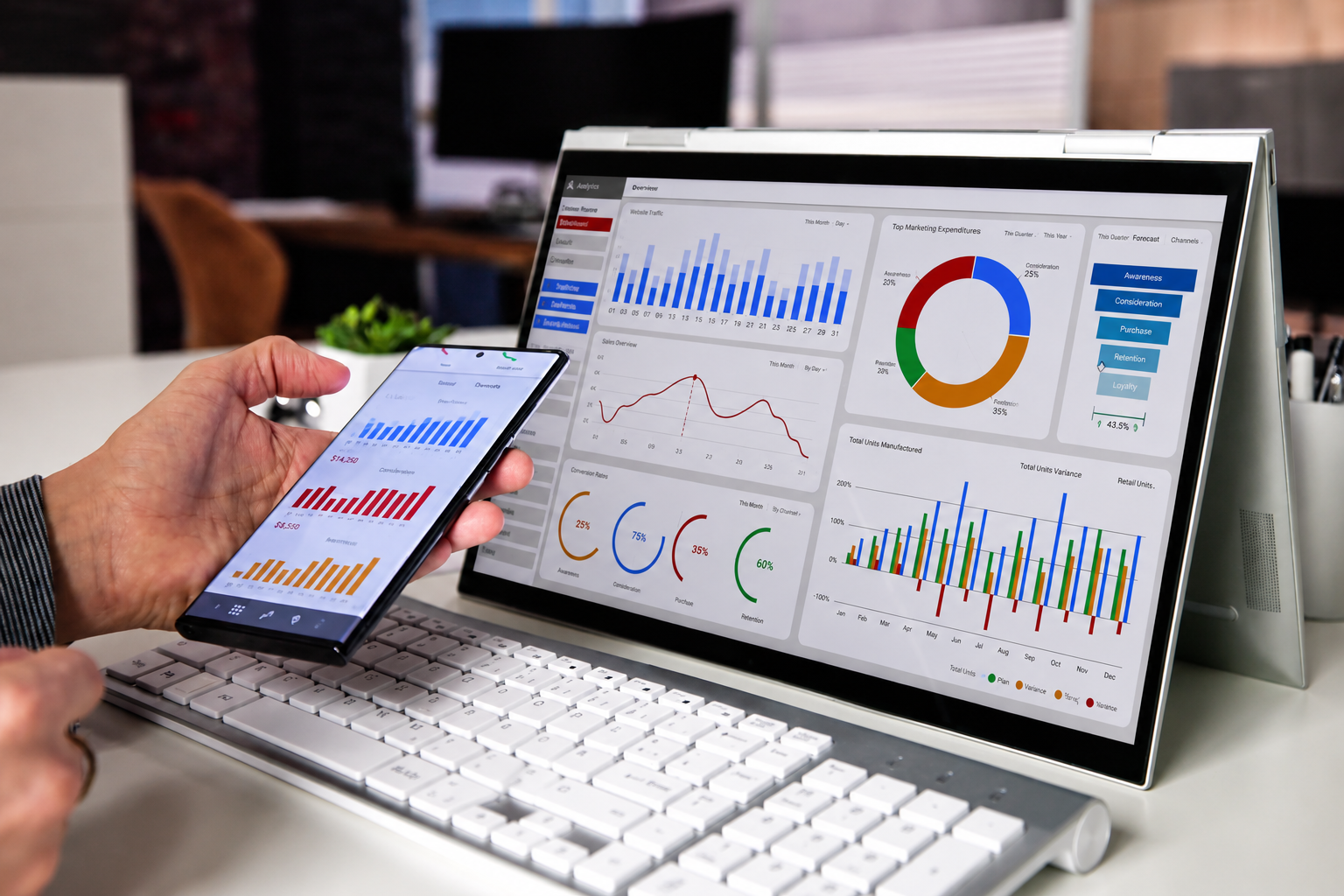
Regardless of the size of your business, to have an effective marketing campaign you will need to be able to understand your customers. Gathering information to understand more about the people who use your website, interact with your business on social media, and customers who purchase your products or services then the more likely you are to be able to create a successful marketing campaign. This type of information ensures your business is not wasting any money advertising to the wrong set of potential customers and is able to understand the wants and needs of your existing customers.
Collecting this type of valuable data is not only for large businesses with big budgets. There are multiple inexpensive or free tools that allow small businesses to capitalize on these advantages and be able to know more about their customers and their target market. Although, once you gather this data you still need to know how to use it effectively.
This guide will cover the main methods small businesses can use to collect data in safe and ethical ways, as well as practical ways they can then put this data to use for their marketing and advertising efforts. You will learn the best ways to also protect your customers while establishing a data driven approach to your future marketing campaigns.
Zero Party Data and Knowing What Customers Actually Want
When you begin collecting data, one of the most helpful forms of this will be zero party data. This type of data is information that is willingly and intentionally shared with your business from a customer about their preferences or interests. For example, a customer could be shown a popup while on your website that asks them what category of item they are shopping for and they can choose to either provide that information or not. Zero party data is very useful for businesses to have as this comes straight from the customer, and is given by customers to make their experience with your business more personalized. For a small business, the zero party data you collect is valuable as this typically is inexpensive to obtain and gives great insight into customers preferences and what they are expecting from your business.
In most cases, your business will need to offer some sort of incentive for the exchange of information by your customers. This can be anything from a small discount code that is applied to their order or a free gift product to incentivize customers to want to provide information on their preferences. This isn't required, but typically will prove to be more effective than asking them to give information with nothing to gain from it.
Zero party data is the most accurate data you can get because this comes straight from the customer with no guess work needed. This type of data also is able to increase conversion rates by suggesting relevant products to match the preferences customers provide, while staying compliant with privacy regulations because customers willingly supply the information.
First Party Data Collection and Benefits
First party data is collected through normal interactions your customers have on your website, with your products or services, and social media accounts. Data that is considered first party data can be anything from which pages a customer views on your website, their purchase history, items they add to their cart, and other information that is specific to your business and how customers interact with you.
One way that first party data is collected is through website analytic tools such as Google Search Console to identify your top performing pages, what searches are leading customers to your website, and the type of devices being used to access your website. Google Search Console is a free tool that provides valuable insights for small businesses to understand how their customers interact with their website and is able to show which pages are driving the most traffic. Having a way to track this type of data allows you to know what type of content performs the best and helps shape your future content creation, as well as underperforming pages that might need to be updated.
First party data helps small businesses make the most out of their marketing campaigns because they easily allow you to track the increase in traffic and users that are reaching your website and if the campaign is performing to meet expectations in relation to the amount of money spent on advertising. To get the most out of the first party data you collect, it's important to track metrics that relate to your business goals and not just overall page views as well as regularly reviewing trends in your metrics to pinpoint specific opportunities for improvements.
It's important to maintain a clear privacy policy that is easily accessible for your customers to view to ensure you are following all legal guidelines and are able to avoid any large fines against your business. A privacy policy that is easy to find for customers with clear language helps to build consumer trust by outlining how your customer's information is collected, what your business will be using it for, and how you plan to protect this information.
Combining Zero and First Party Data to Form a Hyper Accurate Customer Profile
After you have collected this information from both data sources, it can be very helpful to combine these insights to build an extremely accurate profile of your customers that helps your business serve your customers more efficiently. From your zero party data it's useful to look at the user intent behavior and the customer preferences to begin building a detailed customer profile. While building this profile, it makes it easier for your business to understand by organizing your data into specific groups such as demographic data, geographic, psychographic, and behavioral data you have collected. You can combine this data with different patterns or pain points customers have pointed out in zero point data to better understand your customer journey.
Being able to organize the data your business has collected into digestible information is important to be able to use your data effectively. Tools such as a consumer data platform help to organize the data you have collected and stitch it together into a more readable and understandable format. The use of technology to ensure you are efficiently setting up your business to use all the data you have collected helps avoid wasting time and money trying to decipher these insights. Especially for a small business, you need to consolidate this information since you don't have a large amount of employees to analyze it.
Once you have been able to gather this data into actual data driven insights you will be able to make actionable decisions for your next steps. Whether this is choices on what your ideal target market is, which local areas are your highest share of customers, or what days your customers are most active at your store, you are able to use this data to capitalize on these small advantages which can add up over time.
A combination of zero party and first party data also ensures you can build a strong customer profile to better personalize user's experiences whether this is on your website or through personalized marketing campaigns such as an email campaign. Efforts like these will typically depend on both zero party data and what each customer's preferences are as well as first party data such as their purchase history with your business.
Third Party Data Purpose and Methods
Third party data differs from first party or zero party data because this is not collected directly through customers interacting or engaging with your business. Instead, third party data is obtained from outside or "third party" sources. This type of data allows your business to have more reach for the information they gather, although it is most likely not as accurate as something like zero party data that comes directly from a customer providing information.
Third party data does come with its own specific pitfalls as this data is not directly collected by your business. Because of this the data can be outdated, misleading, and not very useful to your business since this is gathered by outside sources. Another issue with getting third party data from someone like a data broker is that these data lists will also be sold to competitors, who eventually target the same audience as you and drive up your marketing and advertising costs.
There are certain risks to third party data, especially with changing laws and regulations surrounding it. State level privacy laws and the phasing out of third party cookies on browsers is pushing businesses to focus more strongly on strategies involving first party data that is collected through customers to avoid any compliance issues. Along with this, it also brings added risk to your business in the case of any data breach at the data collection corporations you have obtained third party data from previously.
With all of these new regulations and complications surrounding third party data, it may not make sense for your small business to spend the money to obtain it when it could be outdated, inaccurate, or cause issues if the strict regulations have not been followed. Implementing better ways of collecting zero party and first party data provides better and more accurate data, and ensures your business is compliant to any federal or state level guidelines involving data collection methods.

Importance of Having Good Data on Your Customers
With the amount of personalization and customer specific advertisements that are becoming a larger focus for businesses across all industries it's important to have good data collected to better understand what your customers are interested in, what they are purchasing from you, and how you can create more personalized recommendations for them. Zero party and first party data can also help with understanding the customer journey and what pain points occur along the way, which help your business make the process efficient for users and fix any issues that seem to be occurring often.
Another aspect of having good data for your customers is that it allows you to personalize offers, recommendations, and use certain messaging for different customers. Rather than trying to market the same to every customer you have, you can group customers into similar groups that typically are more likely to engage with similar marketing material. Accurate and updated data also allows you to ensure you are able to follow the purchasing trends of your customers. This avoids issues such as overstocking items that aren't as popular or running out of your best selling items. This type of data can sometimes change depending on the time of year, so be sure to regularly check what items are performing the best so your business can keep these in stock.
In regards to the future outlook for your business, this type of data can help you make data driven decisions on your upcoming strategies. This can include things such as whether you should design a new product or offer a new service, implement new product lines, or update a product or item on your menu. Base these decisions off of previous trends and insights that are given to your business by current customers rather than looking at what others are doing. Even if a competitor is succeeding with a certain type of product, your customers may have different needs and aren't interested in something similar to whatever product they are offering.
Overall, the importance of having good data on your customers is mainly to be able to make their experience with your business feel more personalized, efficient, and simple. Suggestions for similar products to what they typically buy from you, add-ons that go with what is in their cart currently, or new products they may be interested in are all driven by data.
Data Collection and How to Implement Data Into Your Business
Data collection for small businesses and having a clear plan to implement that data into your processes is so important to ensure you are getting the most out of what you are spending on marketing. Due to having a relatively smaller budget, designing a marketing campaign based around data you have collected on your customers stretches your budget further while also being more efficient than a broad targeted audience. The data that you gather from your customers is valuable to both your business and your customers because it aims to make their experience with your business more enjoyable and streamlined to avoid certain pitfalls they report in the zero party data and first party data you have collected.
The implementation of the zero party and first party data you collect is important for your business to make it actually worth it to have this type of data. To make the most of the data, it's useful to have your customers fill out their preferences when making an account or signing up for your website or service to tailor specific marketing for each group of customer. Highly personalized marketing ensures you are targeting your audience in an efficient way and also that they are actively engaged with the content you are putting out. Personalized advertisements also give a closer feel to the business as customers are able to tell you are actively listening to feedback, trying to understand your customer base, and are flexible enough to change courses to the best practices.
In today's business world, using data to make informed decisions is more important than ever. With new technologies available to business owners, whether that is free tools or paid tools, it's easier to gather this type of information and learn the best ways to utilize this data to increase customer satisfaction, retention rates, fix common pitfalls, and ensure your customer journey is efficient. Most importantly, you are able to know almost exactly what type of customer is your most profitable and which audience you should be focusing more time on.