Customer Retention Strategies for Small Business Owners: Best Practices

Starting a new business can come with many different roadblocks along the way. Regardless of what type of business you are opening, the challenge of keeping your customers happy is one thing that essentially all businesses have in common. Initially, customer acquisition can be difficult but it's important to continue to provide value to these customers to keep them wanting to come back.
This guide will cover proven customer retention strategies for small business owners that aim to increase customer retention rates and ensure your customers are satisfied with your product or services. These tips will help new or existing small businesses and can help improve your retention through focused strategies. First, we will cover the customer service aspect of this topic and follow the customer journey to ensure there are no missed steps that you can take.
Over the course of this guide, you will learn:
-
The importance of expert customer support
-
Quick wins to implement right away that increase customer satisfaction and retention
-
Benefits of rewards programs and personalization
-
Tracking the customer journey
-
Why customer retention is so important for small businesses
-
How to use customer data to improve the customer journey
-
Benefits of customer surveys and zero party customer data
-
How Customer Retention is able to help your business grow
-
Best practices for implementing these processes into your business
Customer Service and Support
For a small business, one competitive advantage you will have is the ability to personalize your customer service process due to the smaller size of your customer base and size of your business itself. When dealing with customers on the phone or in person it's important to ensure you are always proactive and try to fix issues as fast as possible. This attention to detail is an advantage small businesses have over larger businesses, as well as trying to always provide customers with a real human interaction rather than automated messages and AI assistants that larger businesses are increasingly starting to use due to the size of their customer base. A simple knowledge base or FAQ page can also add a self service option without replacing personal support.
Something your business can begin to implement right away is to gather feedback while on the phone or while interacting with your customers. This shows to your customers you care about their opinions and are trying to improve your service, while also giving your business invaluable insights into the common pain points and service gaps customers are experiencing so you can begin to gameplan how to fix these issues.
Feedback at this point can be useful as you may have already solved the customers problem they were reaching out about, but they could give you insight into why this was an issue, what made this happen, and how they felt the process of reaching your business and getting help was.
The support you offer customers who are having issues can be the difference between a simple fix and customers choosing to use the product or services of another business. If they call into your business and have terrible support and nothing gets solved, there is no reason for them to want to continue giving you business.
Monitoring popular review sites and seeing what customers are saying about you online also helps to understand the pain points customers have even if they aren't explicitly telling any of your employees, and give you a chance to respond to these reviews, meet customer expectations, and solve the problem before it becomes something that forces them to cancel their services or choose a competitor.
Rewards and Personalization
A simple way to increase customer retention is to create additional value for customers that choose to keep coming back to your business. One way to do this is by offering a rewards program that assigns points or credits to customers for money spent, purchases made, or another metric that fits your business model that they can eventually use for added perks. Many businesses use this strategy to create increased brand loyalty and drive the importance of repeat purchases.
Reward programs strategies like this also help your business to segment customers into more detailed groups as you will have access to their purchase history, common items customers buy together, and other important insights to offer more personalized services. As a small business, customers are starting to expect more personalized things like these to justify using your business over a large corporation that is selling similar products or services.
If you can continue to provide customers value by offering personalized suggestions through either your website, a personalized email marketing campaign, or by having their account get pulled up while they checkout at your store this can help create a stronger connection with customers and give them even more reason to keep coming back to your business.
One thing that can be simple to implement for your business would be to begin to periodically offer loyal customers discounts for being repeat customers. This type of offering can give these customers even more reason to keep coming back, and also give them benefits by saving money and getting discounted or early access to new features your business is rolling out.
Following The Customer Journey
Since each customer you have will be at a different step of the customer journey, if you are able to offer rewards programs this can help to track where they are at and whether they are new customers, repeat customers, or loyal customers who have made multiple purchases from your business.
This type of data can be extremely important to use to be able to celebrate certain milestones such as a certain amount of months they have been subscribed to your business for, to offer check ins at specific points of their trial or plan, and to understand how and why customers are making their purchases from your business.
This type of data will also provide your business with data on what step of the process customers are falling off and leaving your business. Knowing this can show you what needs more focus or needs changed in your customer experience process, while also giving you the ability to focus more strongly on customers that are at this step currently to try to offer additional value through one on one calls or training, discounts for products or services, and other strategies to help move these customers along the journey and out of this common bottleneck for your business.
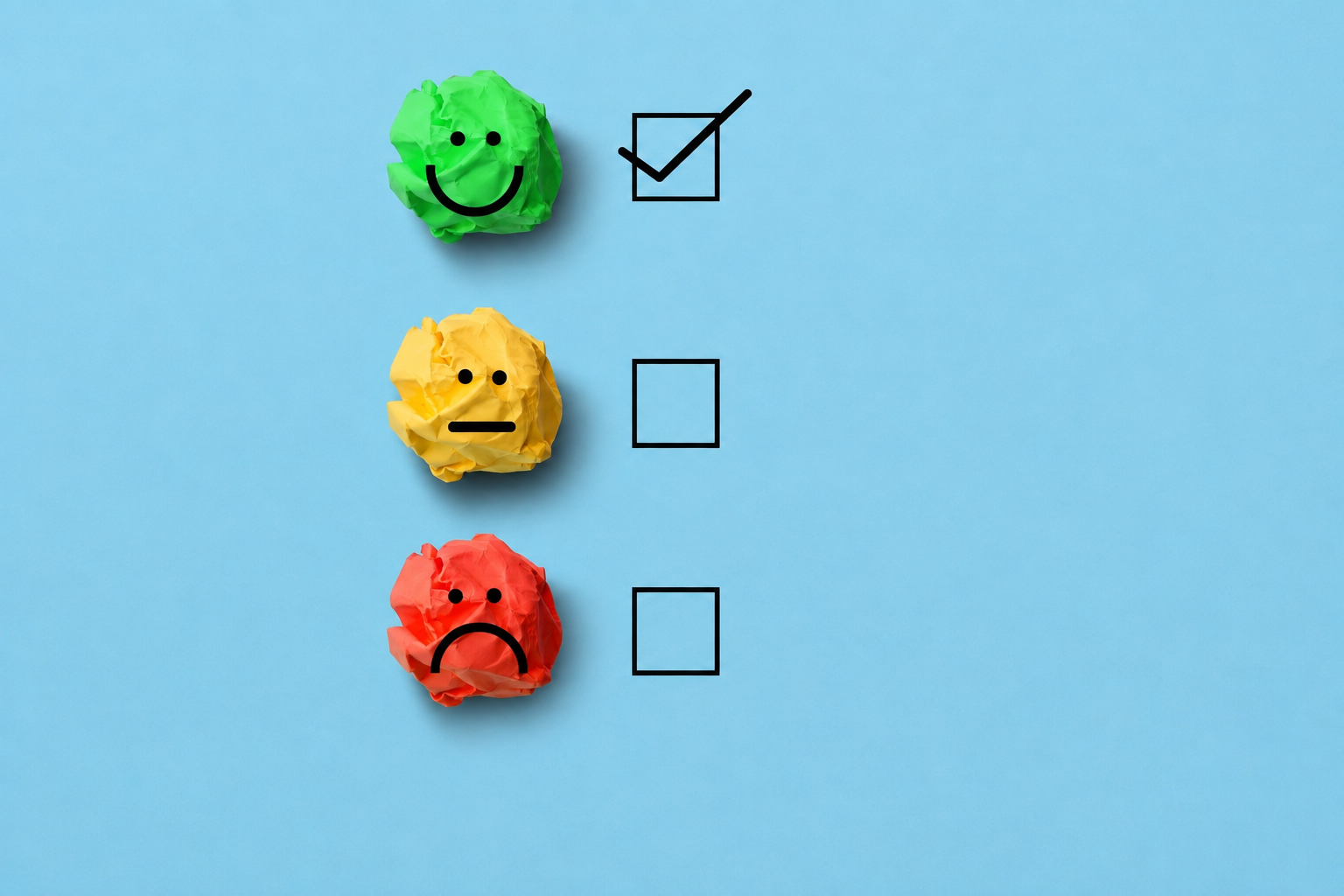
Why Is Customer Retention So Important For Small Businesses
Small businesses that are able to keep their customer retention rates high are able to spend less money on bringing in new customers and are able to adjust this spend to provide current customers with more benefits that help your business stand out compared to your competitors. Since it's much less expensive to keep repeat customers rather than market to new customers, you can afford to provide these discounts and exclusive perks to your loyal customer base while still being able to make money to help grow your business.
Another aspect of customer retention is the increased brand image your business will benefit from. Keeping customers happy and wanting to come back makes them feel like your business truly cares about providing them with excellent customer service, giving benefits for being loyal customers, and you benefit from word of mouth marketing which can be a huge advantage, especially for a small business. The word of mouth marketing allows you to spend less on traditional marketing channels and are able to put more into your actual business.
As a small business, your local community will typically be your first group of customers, unless you are specifically selling online, and if people are saying negative things about your business this can make it difficult to become a common name among this group of people. On the other hand, having happy customers talk about your business turns into free marketing that still can help to bring in business. This type of business can be a bit more difficult to know where it's coming from, but if your business needs this information consider having a short and concise question at the end of checkout that asks how they learned about your business.
Another benefit for small businesses is that loyal customers typically will have purchasing schedules that you can depend on, for example if you are selling dog food you know that every month or two your customers will be likely to purchase another bag of food and you can somewhat predict these behaviors. Especially if you offer subscription services, these are extremely predictable and can help a small business plan for large expenses down the road and have a recurring revenue stream. Of course, there will be cancellations but you can factor in your cancellation rate to these predictions and get a good idea of your next month's revenue, even if it's not exact.
Improving The Customer Experience
The customer experience can be a deciding factor in whether or not your customers choose to come back and make additional purchases from your business or not. This will include all interactions the customer has while making a purchase, as well as any marketing, sales, and support points they encounter along the way. Even one bad interaction throughout this process can cause a customer to have a bad experience and not want to return to your business, so it's important to ensure each step of this process is optimized to support customer engagement and provide the best service and experience possible.
The customer experience is not just the purchasing process or when your employees are interacting with customers. This will include things such as your marketing efforts and ads people see, as well as how the post-purchase process is and whether there is any communication after the fact, because the sale is just the beginning and continued follow-up helps keep customers engaged through their preferred channels. All these things add to the overall customer experience and if these are done correctly, you can increase the likelihood of people becoming repeat customers.
Customer Feedback
To understand the customer experience better, it's very useful to ask customers to answer short surveys in the post-purchase process that are generally 2-4 questions that help you gauge where you are excelling at and what aspects need more attention. This type of direct feedback is extremely valuable for small businesses especially since a small business is able to more easily tweak their process and implement changes quickly. Giving customers the ability to provide feedback in this way makes customers feel valued and benefits your business by getting valuable information about the customer journey.
These surveys also are able to tell you things like how customers found out about your business, which marketing channels they saw your business on before making a purchase decision, and convey to customers that you care about their input and experience which helps build trust. Mainly, if you are able to spot a common pain point through these surveys and quickly fix it, this can show customers you are actively trying to improve their experience with your business and you are not ignoring problems your business may or may not have.

Using Social Media to Build a Loyal Customer Base
For new businesses, it can be a daunting task to begin building up your social media pages and creating consistent posts for them. However, this type of content helps your business start to accumulate followers who will stay engaged over time and become part of a loyal community. Younger customers often prefer digital engagement over in-store interactions. These customers will have increased chances of being apart of that loyal base because they will constantly be reminded of your business through your posts, as well as have a point of contact to reach your business at.
Your social media posts will also encourage engagement and responses to questions, especially if you are responding to comments, direct messages, and other interactions on your page routinely. Positive interactions can also help turn followers into new clients through referral programs. Successful referral programs reward both the referrer and the new customer by offering exclusive perks and deals to people that refer someone they know to your business and it leads to a purchase. Encourage user generated content by inviting customers to share their experiences, photos, or reviews of your business.
This type of content can connect strongly with customers and provide free marketing that potential customers can connect with. Additional efforts like a private facebook group can also give loyal followers a more exclusive space to connect, test ideas for new products or services, and provide exclusive deals for customers that have joined these groups. Your social media page can be useful to spread information about new products or services, and give your followers a chance to be the early adopters of these features.
How Customer Retention Helps Increase Customer Loyalty
As you start to grow your new business, you will need to focus on both attracting new customers and ensuring your existing customers are staying satisfied, and for a small business owner that balance matters even more. Since it is less expensive to retain existing customers, having a strong focus on this segment of customers can help your business grow, create a steady stream of revenue through predictable purchases, and build trust and loyalty with these customers. A great customer retention strategy also increases lifetime value, not just repeat purchases.
The more customers purchase from your business, the more likely they are to choose your business over a competitor the next time they are in search of a product or service that you offer. For the long term growth of your business, this is a huge advantage to have over competitors as customers that build a connection to your business will help drive a recurring revenue stream you can predict, especially if you are able to offer subscriptions and other recurring services.
Main Takeaways for Small Business Owners
Throughout this guide there has been multiple tips of advice and suggestions of the best proven ways to increase customer retention and build a loyal customer base. But you may be asking, how do you turn these strategies into real life results?
Start small and build on your business processes. Some of these practices can be implemented quickly into your business such as a focus on providing excellent customer service and trying to fix customer pain points quickly. However, others are more focused on the long term relationships you build with your customers. It's important to not overhaul your entire customer facing side of your business, but slowly implement these strategies where they make sense for your specific situation.
As you go through your business processes take a look at where things can be improved, implemented, or where you are already excelling at, and be sure to try to look at these things through the lens of your customers. Performing things like test orders to see the exact steps your customers go through can be beneficial to actually see what customers are seeing, rather than always only seeing the backend of your forms or purchasing process.
Regardless of how your business is performing, theres always room to improve the retention and satisfaction of your customers. Having a mindset like this helps to avoid any stagnation in your efforts and drive home the importance of gathering feedback, understanding certain pain points, and implementing changes into your processes to solve these common problems.