How Small Businesses Have a Competitive Advantage over Big Businesses

When starting a small business it can seem like a daunting task to compete with larger more established companies. However, the simple fact that most people overlook is the advantages you are able to capitalize on by operating a small business. Although a small business might not be able to keep up with the larger budget or the widely recognized brand, there are other aspects to take advantage of that small businesses are better fit for.
One of the main misconceptions among new business owners is thinking their success depends entirely on having the most money to spend on advertisements or hiring a large amount of people to run efficiently. Although these aspects do help, they don't immediately correlate to a better customer experience or build stronger relationships with your existing customers. Small business owners are typically sought out for their personalized services, ease of communication, local community engagement, and more. This allows new business owners to stay competitive and capitalize on their advantages they have over bigger corporations operating in their industry.
This guide will cover the main things small businesses are able to do to gain an advantage on the bigger businesses in their industry, why these aspects matter to customers, and include real strategies small business owners can implement into their business to be successful while operating on a small budget.
Flexible Operations and Marketing Activities
One of the main things that is an advantage to small businesses over bigger businesses is their ability to quickly alter their operations or marketing strategies to capitalize on trending topics or ideas. As a small business owner, you will have a less strict strategy for your marketing activities or how you run your business which allows for a more flexible strategy. Although you may be running a smaller business with few employees, this also means you will have less people to confirm your new plans and be able to quickly change your plans based on trends in your industry or in the general business world.
A local business can often launch a new promotion the same day they notice a trend on social media, while larger organizations may require approvals from multiple departments such as marketing teams, legal departments, and other executives before changes can be implemented. That speed can help small businesses capitalize on seasonal demand or viral topics before larger competitors react.
The ability to quickly adapt to changes in your industry is helpful for small businesses as you will have less inventory to worry about, less hoops to jump through to make these changes, and need little to no approval as a small business owner to implement these changes. Although it is helpful to keep in mind that making too many changes can lead to more complications, but for instance if you decide to pivot your marketing campaign to focus on a different topic this can lead to an increase in impressions while being able to get a head start in comparison to a larger business who has more strict guidelines in place.
Personalized Services
As a small business, you will be working more closely with your customers and be able to build relationships with them more easily. For example, if you are a landscaping business who is working in customer's yards regularly you will be able to have face to face interactions with them which helps to build a lasting impression and relationship with them. If you compare this to a bigger business, they typically are not able to be face to face with each customer due to their size and scale of their operations. As a small business owner, it's important to capitalize on the fact that you are able to build these relationships and develop strong customer loyalty.
Personalized services and building strong relationships with customers can lead to a higher customer retention rate and give your business the advantage of having a strong brand loyalty among your customers. You can use a CRM system to track customer's purchasing history and preferences to tailor custom marketing towards specific groups of customers. Although bigger businesses are able to utilize AI and other systems to tailor marketing towards certain customers, usually customers who are shopping at small businesses except this type of personalization and closer connection to the business.
Support From Your Local Community
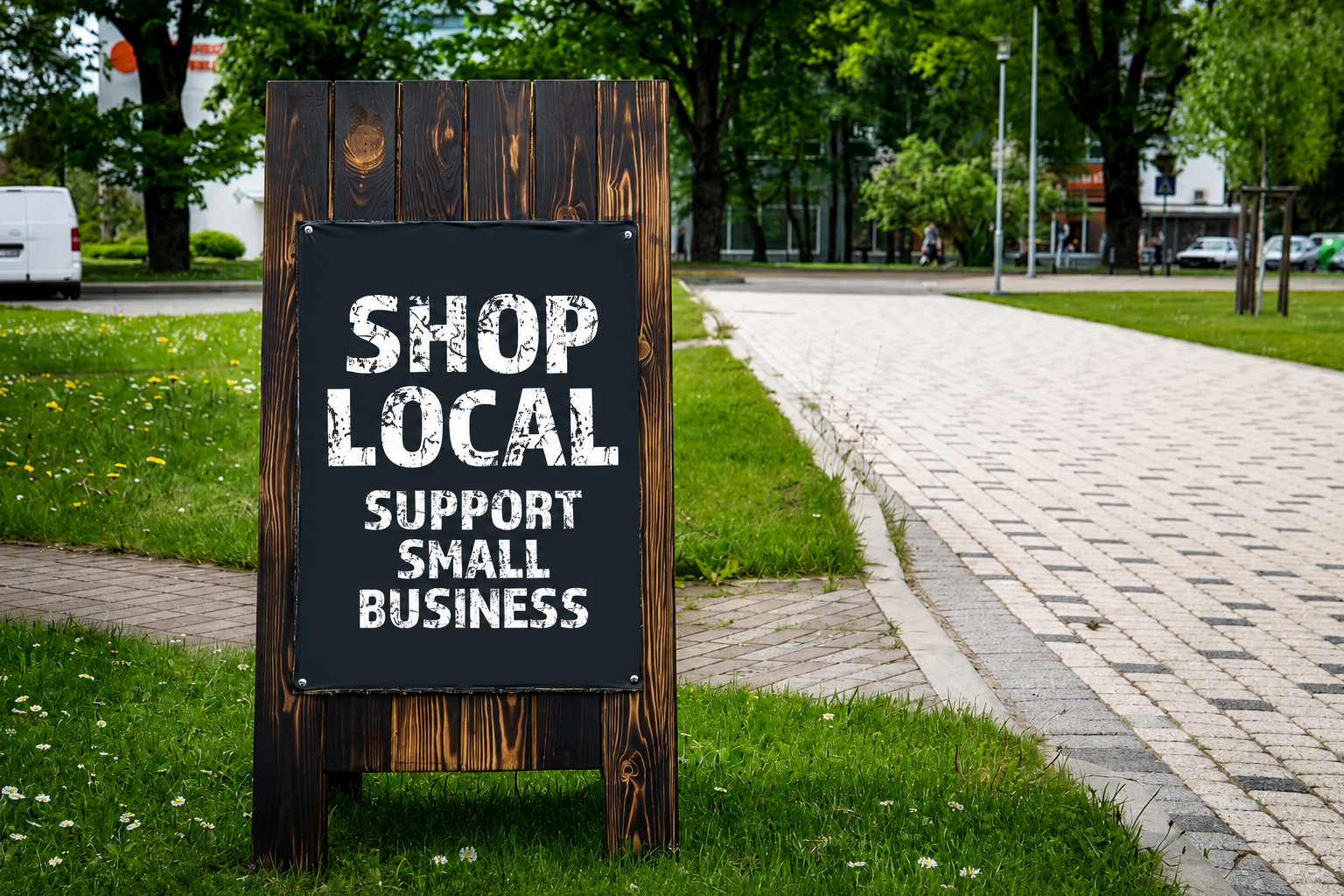
Another advantage small businesses have is being able to become a well known brand within their local area through sponsoring local events, engaging in fundraisers for local schools and organizations, and being a part of popular activities within the community. Local events such as school events, food drives, festivals, or holiday celebrations can help to increase your brand visibility and show to your local customers you actually care about the community. Activities like these can be as simple as offering to sponsor them by providing food, services, and other items to help the organizers and typically they will have your business name or logo around the event because of this.
Another example of engaging with your local community is to volunteer your team's time at local businesses which can also be doubled as a team building event for your business as well. Volunteering at local dog shelters, food pantries, or community cleanup projects is both a useful activity for your community as well as good brand promotion for your business.
Since customers have come to expect a more engaged and personalized feeling from small businesses in their area, participating in your local community can help build relationships with your customers and build a good reputation in your community.
Specialization and Expertise
Big companies are able to spend large amounts of money marketing to a large number of different customers and markets, while small businesses can capitalize on focusing on specializing in becoming the clear expert in one area and marketing to customers in that specific target market. This allows you to create loyalty and trust among customers by offering educational material and helping customers learn about your industry without trying to always sell them something. Content like this can help your business become recognized in your industry and eventually when people decide to make a purchase they will be more likely to remember your name if they have used your guides and other educational resources before.
Even though a small business isn't able to market to large amounts of customers due to their budget, they are able to target a niche market which can have higher returns than marketing to a large number of customers who may not be interested.
Building Strong Teams with a Shared Purpose
Small businesses are typically able to rally around a shared purpose and have a closer connection with each other compared to a big business with thousands of employees. Employees at small businesses will usually have more of a say in company values, strategy, and culture which can help employees stay motivated and want to deliver higher quality service and products to customers.
A small business also will have better communication between both employees and owners to have a clear set of goals that the business is trying to meet and ensuring everyone is on the same page. Also, employees of small businesses typically have a stronger sense of motivation and accomplishment as they feel more connected to the business itself and the success of the business. Small business owners are also more connected to the business and their employees as they tend to be much more present than they would be in a big business.
How a Small Business Can Gain an Advantage on Bigger Companies
When you are operating a small business you will need to try to gain an advantage on larger companies in any way you can. Although it's difficult to compete directly with your budgeting limitations, if you have a focused strategy and are targeting a niche market it allows you to stretch your budget further and be more effective with your spending. A focused marketing strategy allows you to be more efficient with your marketing budget and generally will see increased ROI when you are targeting the correct market of customers who are actually interested in your business.
Developing relationships within your local community whether that is between other local businesses, events, or fundraisers helps spread your business name and build a good reputation within your community. This type of outreach might not show immediate results, but over a span of time it helps customers relate to your business better and be a name that they notice and want to make purchases from. Forming relationships with other local small businesses in your area can lead to cross promotion of each other which helps spread your name, reduce marketing costs by sharing the cost of promotional activities, and build additional trust in your community by engaging with other local businesses.
As a small business it is very important to have a strategic plan for engaging with customers and developing a marketing plan that is both affordable and efficient. The different tactics mentioned in this guide can help small business owners get an advantage when it comes to reaching their niche market as well as spreading their name to those who may not know about them in an inexpensive way. When you are trying to compete with large corporations as a small business, you need to find ways you can gain a strategic advantage to be able to compete with their budgets and brand visibility. These tactics help to make the most of your advertisement spending and efficiently market your business to customers.