What Is an LLC Company and How It Can Benefit You
Introduction to LLCs
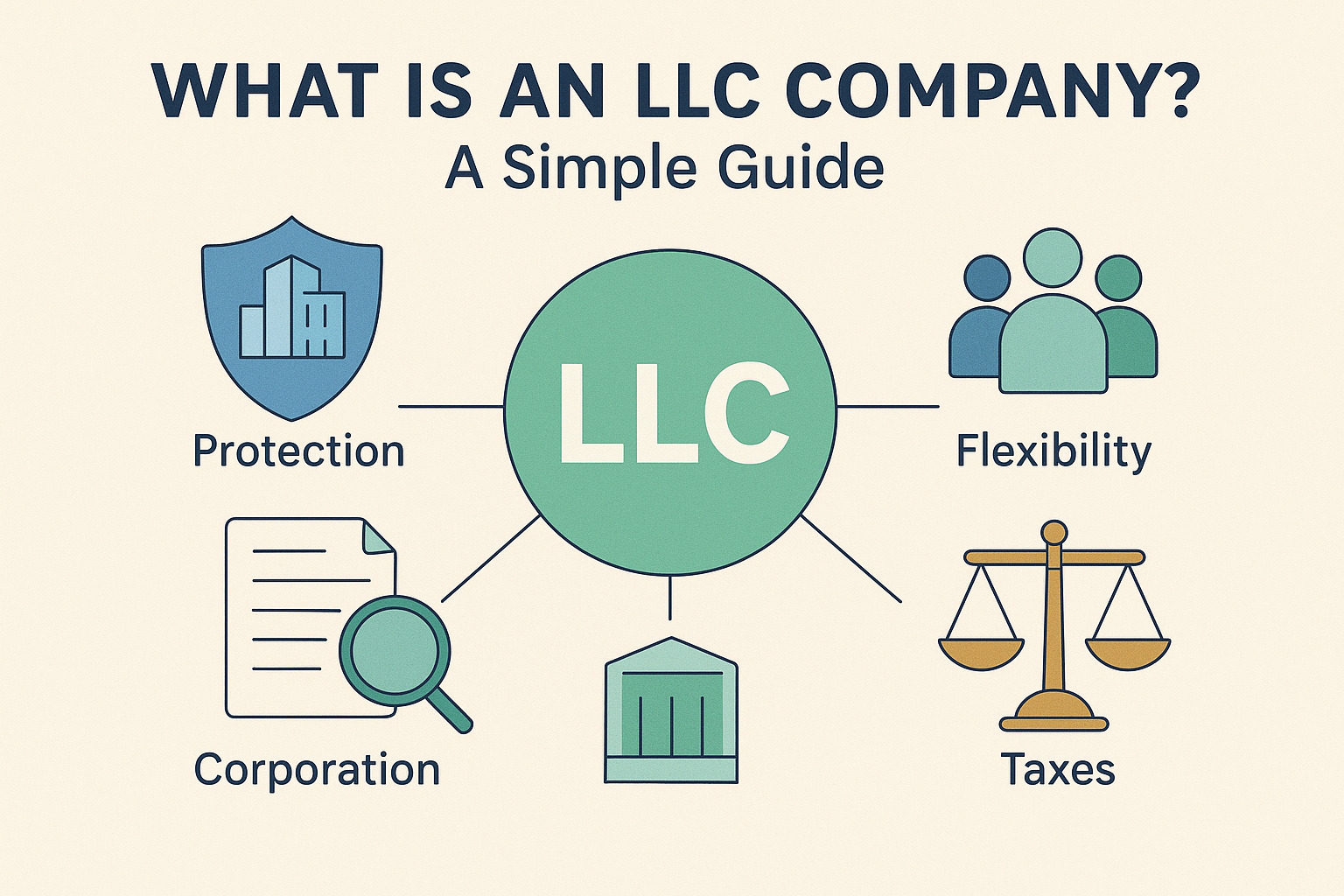
An LLC (Limited Liability Company) is a type of business that protects its owners from being personally liable for the company’s debts or legal problems. LLCs can be great for multiple reasons such as personal asset protection, ease of setting up, and less rules around reporting information and can be set up / run by a single owner. Starting your LLC can be intimidating, make sure to read through this article to ensure you have all the information you need.
-
Examples:- “Green Leaf Landscaping, LLC” - a small lawn care business owned by one person.
-
“Sunrise Coffee Roasters, LLC” - a group of friends starting a local coffee brand together.
Choosing a Business Name
When first choosing your business name, it’s important to check that the name you want is available in the state you are registering in. If available, make sure your business name relates to the type of work you do to make it easier for potential customers to recognize.
Once you have your business name chosen, it's time for officially organizing your LLC. You will need to include your company name in official documents such as the articles of organization.
You want your name to be easy to remember, spell, and say. Keep it simple. A quick and catchy name that relates to your business purpose will be easier for customers to recognize and remember in the future.
If you plan on expanding in the future or potentially changing directions, make sure your name is not going to hold you back. “John’s Cookies LLC” might be a limiting factor. If you plan to expand or would like to leave the door open for this potential, try something like “John’s Bakery LLC” or "John’s Sweets LLC” to give yourself more flexibility in the future.
If this is a worry for you and is causing issues in choosing a name, keep in mind you can register a DBA name which will allow you to legally operate under a name different from your LLCs name for a multitude of reasons. For more information on DBA names and how they work, see our guide on them here.
Registered Agent and Registration
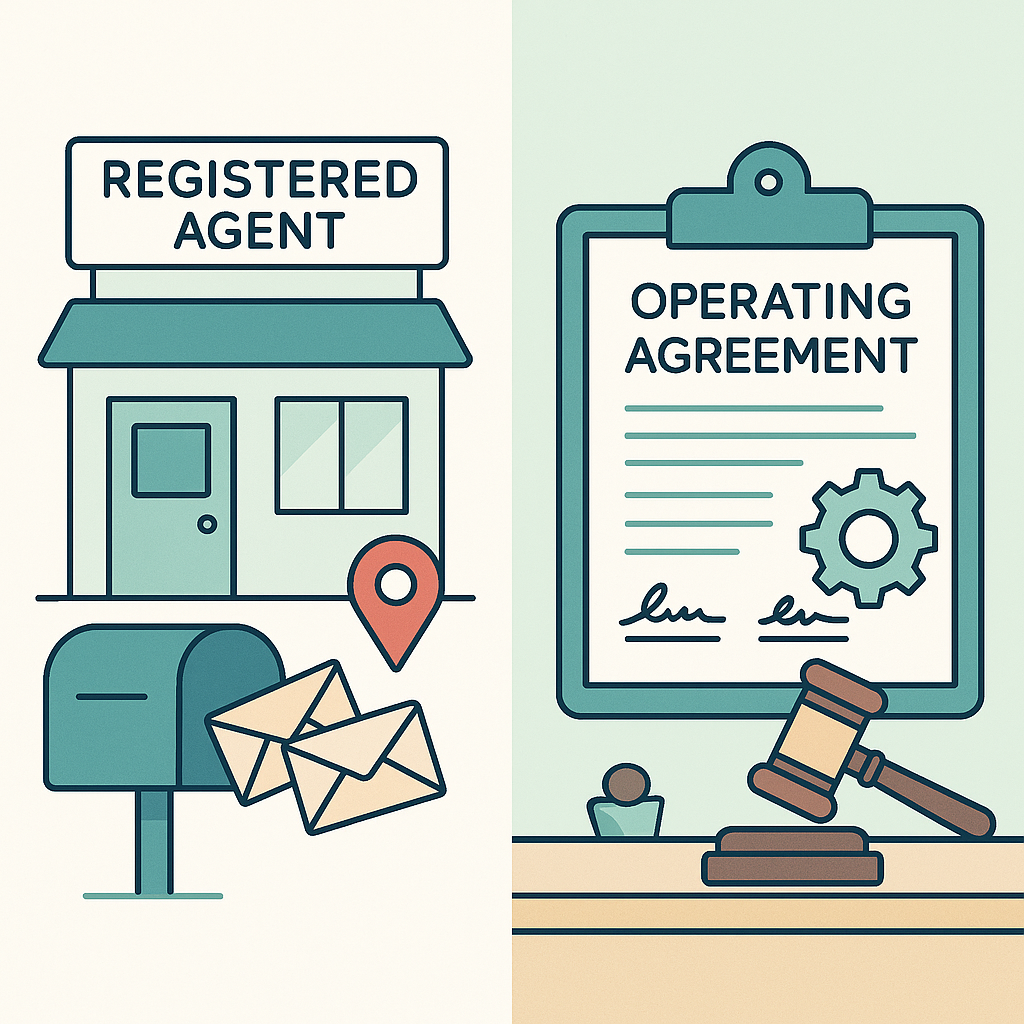
Any business that is considered "active" will need to have a registered agent. A registered agent is someone who will be responsible for being present to collect important documents your business might get. Anything from legal documents regarding lawsuits or changes in requirements, to important documents from the state's office you are registered in will be sent to your registered agent.
You can be your own registered agent if you have a valid address in the state you are registered in and will be available during regular business hours. If this is not possible or you don't want to deal with collecting these notices, there are services that will handle this process for a fee and make sure you are able to get all important documents in a timely manner. The choice is yours to make based on what fits your business the best.
Registered agents can be a complicated aspect when starting a business, that's why we have a helpful post that goes more in-depth on them.
Operating Agreement
An operating agreement is a document that outlines the management rights and ownership information of an LLC. Although not all states require one, it’s highly recommended. It describes the purpose of the business entity, how it will be run, and also is important to include the procedures for making critical decisions, distributing the company's revenue, and resolving disputes between management.
This document can be updated however often is needed, but it’s important to ensure high quality record keeping to avoid any possible disputes between the owners. If there is only one owner of the business, an operating agreement is equally as important to ensure your business and your personal assets are a separate entity if your business is ever sued or goes into debt.
Obtaining an EIN
Getting an EIN for your business is crucial for banking and tax reasons. Also, if you plan on hiring any employees you need to get an EIN. This is done through the IRS and they are specific to each business name. Sometimes a name may be available, but an EIN has already been issued to a business by that name in that state.
You will have to provide your SSN, full name, address, and some business information to apply for an EIN. This can turn into a lengthy process if anything goes wrong, and it's important to understand the process when applying. Our services offer this during the formation process so your business is set up and ready to operate from Day 1.
Annual Report Filing
Most states require LLCs to file an annual report to maintain their good standing. It keeps the state up to date on important information such as the company's name, business address, those who have an ownership stake in the business, and the businesses registered agent. Reporting companies are required to list any changes in this information on their annual report to avoid going inactive or paying potential extra filing fees.
Each state has a deadline for filing the annual report, so be sure to double check your state's guidelines to ensure you are not submitting your filing late. Failure to do this can result in late fees or your company being dissolved by the state, which leads to a higher payment to remain active. Our services will track each renewal date so you don't have to, and will automatically file these reports once they are available to do.
Reporting Requirements
Most businesses, including LLCs, are required to meet various reporting requirements at the state and federal level.
LLCs must follow certain state and federal reporting rules to stay in good standing. These can include filing tax returns, employment reports, or other state-specific documents in addition to their annual reports. The exact requirements depend on your state and type of business, so it’s important to know what applies to your personal business and circumstances.
Some states may require reports to be filed with a franchise tax board or similar agency, even if no taxes are owed. On the federal level, the IRS may require annual or quarterly tax filings, depending on how you choose to have your LLC taxed.
Keeping accurate and organized records of all reports, filings, and confirmations helps ensure compliance and makes future filings easier. Regularly reviewing your state’s reporting schedule and maintaining good bookkeeping practices will help your LLC stay compliant and run smoothly.
Limited Liability Protection
One of the biggest advantages of creating and maintaining an LLC is the personal liability protection that comes along with it. Sometimes referred to as the corporate veil, this means the business and its owners are treated as separate legal entities from their personal liabilities and finances. So, if the business is sued or is in debt only the LLCs assets are at risk and not the members personal assets such as their homes, cars, or savings.
This type of protection is a major reason why business owners might choose to create a formal LLC rather than operating as a sole proprietorship or by using a DBA name. It can give you peace of mind by reducing your personal liabilities while still maintaining operational flexibility.
However, this protection of the corporate veil is not absolute. It can be lost or "pierced" in certain situations if you are not operating your business in a way that follows the regulations and guidelines that are established. For example, if the owner commits fraud, participates in illegal activities, or mixes their personal and business finances regularly might be held personally responsible for business debts and obligations by a court. This is what is considered piercing the corporate veil.
Limited liability protection is able to guard your personal assets as a business owner while giving your business a chance to take reasonable risks and promote growth. This is truly one of the most powerful legal benefits that is enjoyed when forming an LLC. That is, if you are operating your company responsibly and are able to maintain correct financial separation.
State-Specific Requirements
Requirements for forming and maintaining an LLC vary depending on what state you are operating in. This means annual report requirements, what information is needed to be included on them, and how often your business will need to be renewed. Certain states will ask to list a certain number of owners or members in specific roles relating to the business.
It's an important aspect of business formation to do research and understand what each state you are going to do business in will require to operate as a legal business. If any questions arise, you can reach out to the states office for guidance, but wait times can typically be long and they are very busy. You can also hire a service to take care of the formation process for you and we will be available during business hours to answer any questions you may have about the formation or maintenance process.
Business Structure and Ownership
An LLC offers flexibility in how it's operated and managed, making it a good choice for many businesses. There are multiple ways it can be managed such as single member or multi member, and ownership can be divided in any percentage agreed upon by members. This percentage is typically chosen based on the investment amount, role, or contribution. These are the ownership percentages that are listed on the operating agreement, which is why this document is important in case there are any disagreements between members.
The structure of your LLC will affect both the tax treatments and liability protection. A single member LLC is usually taxed like a sole proprietorship, while a multi member LLC is treated like a partnership unless the owners elect for a C corporation or S corporation. When forming your LLC, consider your business goals, management style, and plans for growth. Choosing the right structure from the start helps your company stay organized, efficient, and legally protected.
Maintaining Compliance
To maintain compliance, an LLC must file all required annual reports and pay all necessary fees. You also must ensure you have a registered agent that has an updated and current address in the state the business is operating in to collect any legal documents and important information your business may receive.
When filing an annual report, be sure to review all existing and new information to be sure it is correct and what you would like listed on the state's website when people search your business.
If your business is having trouble staying compliant, dealing with the states forms, or constantly paying additional filing fees due to missing annual reports, try hiring an all in one service that takes care of all these issues and files directly with the states office, such as Firstep Business Solutions. That way, you can conduct business and focus on growing your brand while the service is behind the scenes ensuring your business is legal and operating in good standing.