Essential Guide to Your Business Annual Report Filing Requirements
Introduction to Annual Reports
Annual or Biannual reports are required by every state for LLCs, Corporations, and most states require nonprofits also to file. However, it's important to know your specific states guidelines to ensure you are following the correct regulations that are required for your business. These reports maintain your good standing with the state and ensure your business stays active and able to legally operate.
The purpose of these annual reports is to update any business information that is out of date such as the principal office address, registered agent, and ownership information. These typically can be filed online, and the due date is dependent on the state your business is registered in and what type of business it is.
Staying on top of annual reports is so important because if a business falls behind it can lead to being administratively dissolved, incur late fees, and loss of the corporate veil protections.
Filing Requirements
Filing an annual report can be done online through the secretary of state's office or by a professional business filing service. These typically will have associated fees for each different state, and these fees are subject to change based on requirements by the state. The business must provide information about their address, registered agent, and ownership / shareholders.
There are business services that will file these annual reports for you each year, ensurieng your business stays up to date and maintains their good standing with the states office. This can be helpful due to the fact that if a report is missed, there are multiple late fees and restrictions that can be placed on your business.
Another advantage of using a service is for having accurate filings with no mistakes. These reports and requirements change from state to state, and services that regularly deal with the forms can help to ensure they have accurate information which will eliminate any fees for having to resubmit or have a report denied. Most business filing services, including Firstep, will refile any reports where there was a mistake made by them, which ensures all information is correct in the state database.
What to Include in Annual Filing
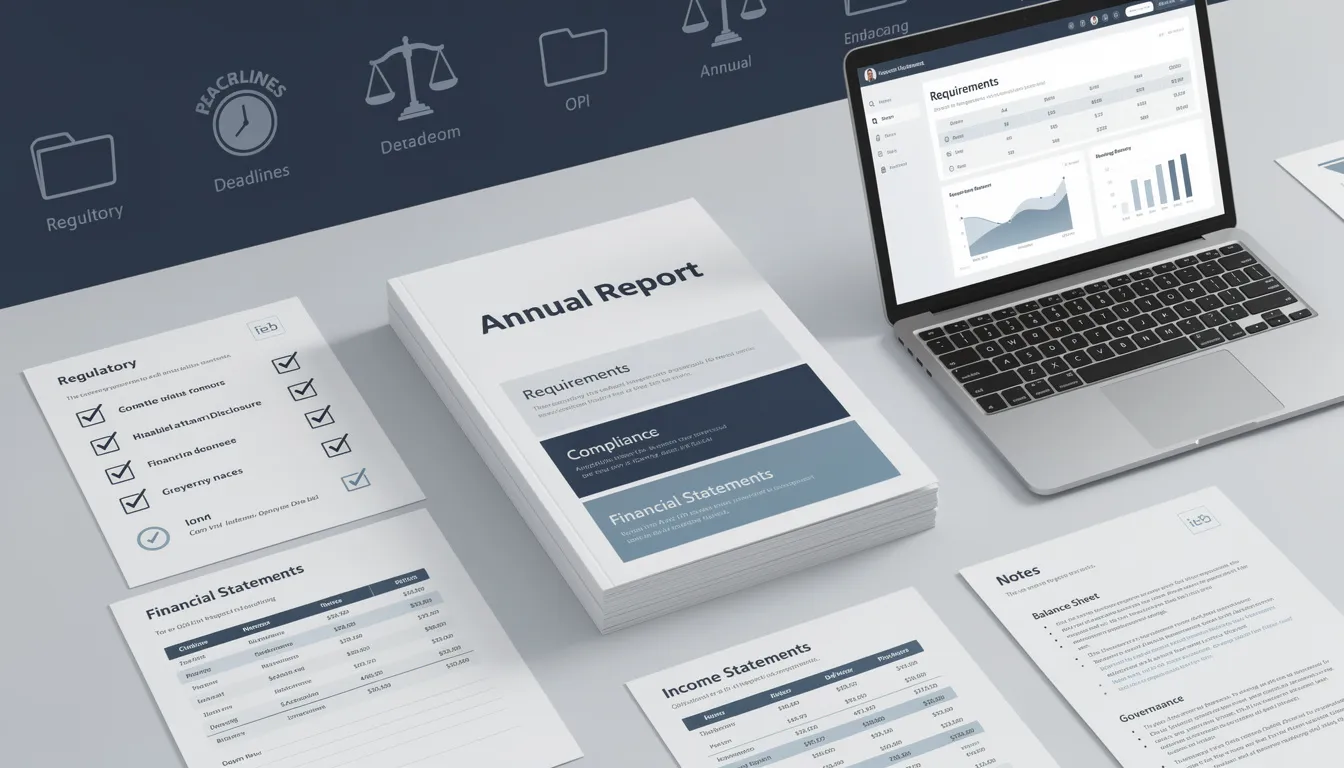
When going to file an annual report for a Limited Liability Company (LLC), a Corporation, or a Limited Partnership (LLP) there is required information that needs to be either confirmed or updated during the process. The business address, registered agent information, and ownership information are the key things that will be asked to be updated. Sometimes financial information and tax information might be asked depending on the state you are in. Certain states require the entity's current email address for the purpose of sending important information and notices to the business.
For Corporations, you will need a list of directors, officers, and current shareholders that have a significant say in how the business operates. Also, an authorized person will have to sign the annual report, which can be one of the directors, registered agent, or shareholders.
Administrative Dissolution
A business can be administratively dissolved if they do not file annual reports or fail to pay the fee associated with the report. Typically, the state will inform you before officially dissolving your business entity.
If your business does get administratively dissolved it can no longer legally conduct business in that state and must go through a reinstatement process to get back into good standing. Reinstatement fees and regulations may apply and can vary by state. It's important to keep in mind this process can sometimes take longer than filing annual reports and it is not always instant.
Due Date and Penalties
Due dates for business vary depending on the state, and the type of business entity you have. Submitting your annual report on time allows you to avoid any late fees and penalties that could be placed on your business.
It's important to stay up to date on your annual reports, as some of these fees can add substantial costs to the filing cost. Using Firsteps services is a great way to avoid these penalties as this ensures your reports will be filed on time and all information will be accurate. Our packages offer a subscription package to automatically renew each year when your business is coming due for their annual report.
Accessing Filed Reports
There are a few different ways to access your filed annual reports. First, most states have them listed on the official state website available for download. Simply searching your business name and going to your businesses page will allow you to see the online filings that have been done by each business.
If you utilize our services we will save and upload every report we file to your dashboard for easy access. This makes access to all your business documents easy to find and keeps them all in one place for whenever you need them. This, along with an email confirmation ensures there are plenty of ways to make sure you are able to access your annual report.
Saving these reports in one spot allows you to easily go back for them if you ever need to, and reference them if there is ever any discrepancy in information. Reviewing each report once they are filed helps to ensure accuracy and maintain good standing with the state by keeping all information up to date.
Business Closure and Annual Reports
If you are closing a business, then it is not required for you to file an annual report for that business. Any fees that are incurred are only due if you ever choose to restart the business, but these fees can be costly so it's important to be sure with your decision if you choose to go this route.
Dissolving a business is another option available, which is a way of telling the state you are officially closing this business. In most states, you can still reactivate the business if you change your mind and it will typically be a much smaller fee than if you allow the business to miss annual reports and go into an inactive status. Although, in certain other states if you manually dissolved your business then you can not reactivate it. It's important to understand your state's guidelines and restrictions before making any permanent decisions.
The choice is up to the specific business owner and circumstances, but it is smart to research on your own about what choice would be best for you. Consulting our expert customer service filers can also give you more of an idea on what type of fees you can expect based on what state your business is registered in.

Legal Requirements
Legally, all businesses are required to file their respective reports pertaining to the guidelines of the state they are registered in. This is to ensure a continued good standing and legal existence for the business.
Reports must be filed on time and fees are required at the time of filing. Specific due dates change based on what state you are in and what type of business entity you have. Missing these due dates can add on significant late fees to the filing cost and it's important to stay on top of these dates. A business filing service is able to track all these dates and file on time every single year to ensure compliance and no extra fees are charged to your business. Also, a service takes away the work from you and allows you to focus on the daily operations of your business.
Business must comply with state regulations to avoid administrative dissolution, potential late fees, and loss of personal liability protection for you and your business.
Filing Status
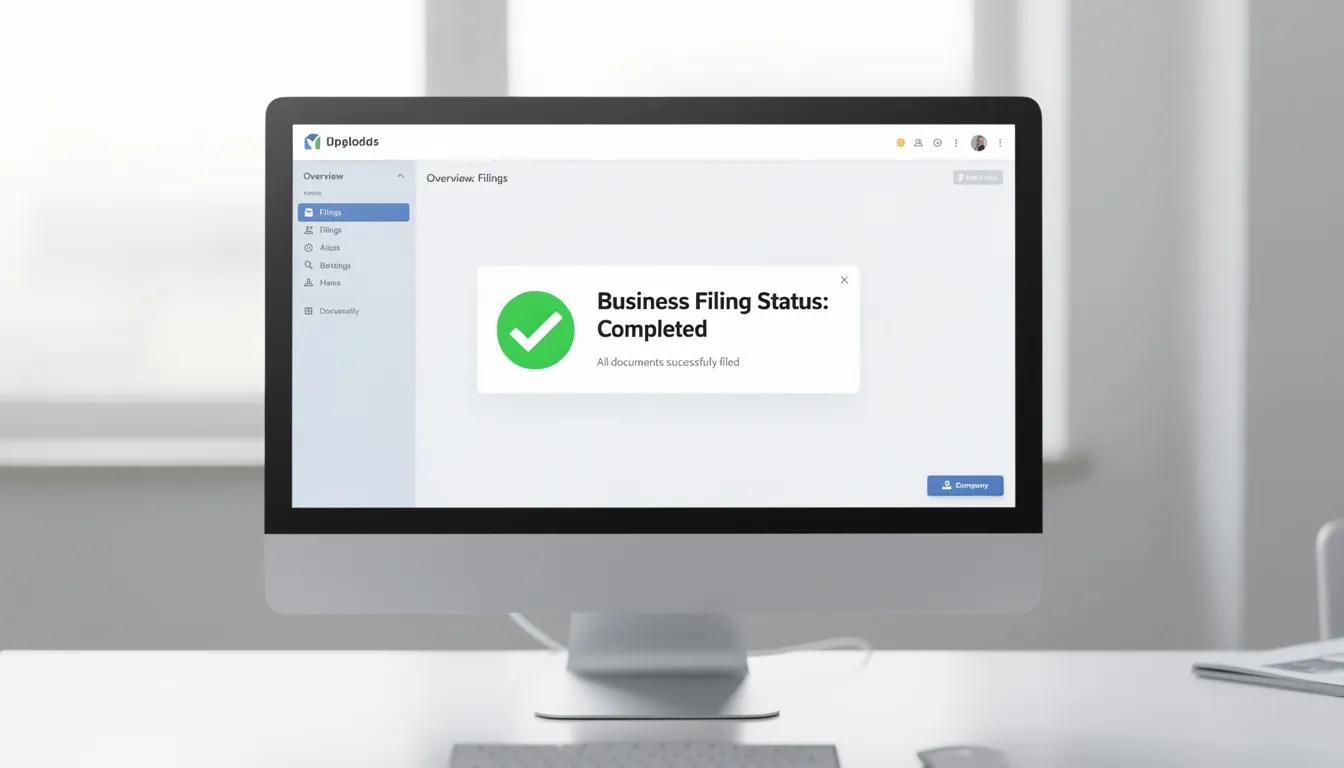
Checking the filing status of your business can be done by going online to your specific state's website and looking up your business. It will be able to tell you information such as when the report was last filed, if the business is in good standing, and sometimes have a downloadable document of previous reports. This can be helpful when trying to figure out when your report is due and if you still need to file for the current year.
It is important to check the status before filing, and to know what dates your business is due for each state you have registered businesses in. A huge advantage of this is avoiding any late fees and dissolutions which will help you save money in the long run. Business services typically will have automatic renewal plans that act as a "set it and forget it" option. This way you are able to sign up for this offering and not have to worry about filing annual reports as they will automatically be done for you when they come due each year.