Esthetician Career and Business Guide: Licensing, LLCs, and Insurance
What Is an Esthetician? Skin Health Services and Limitations
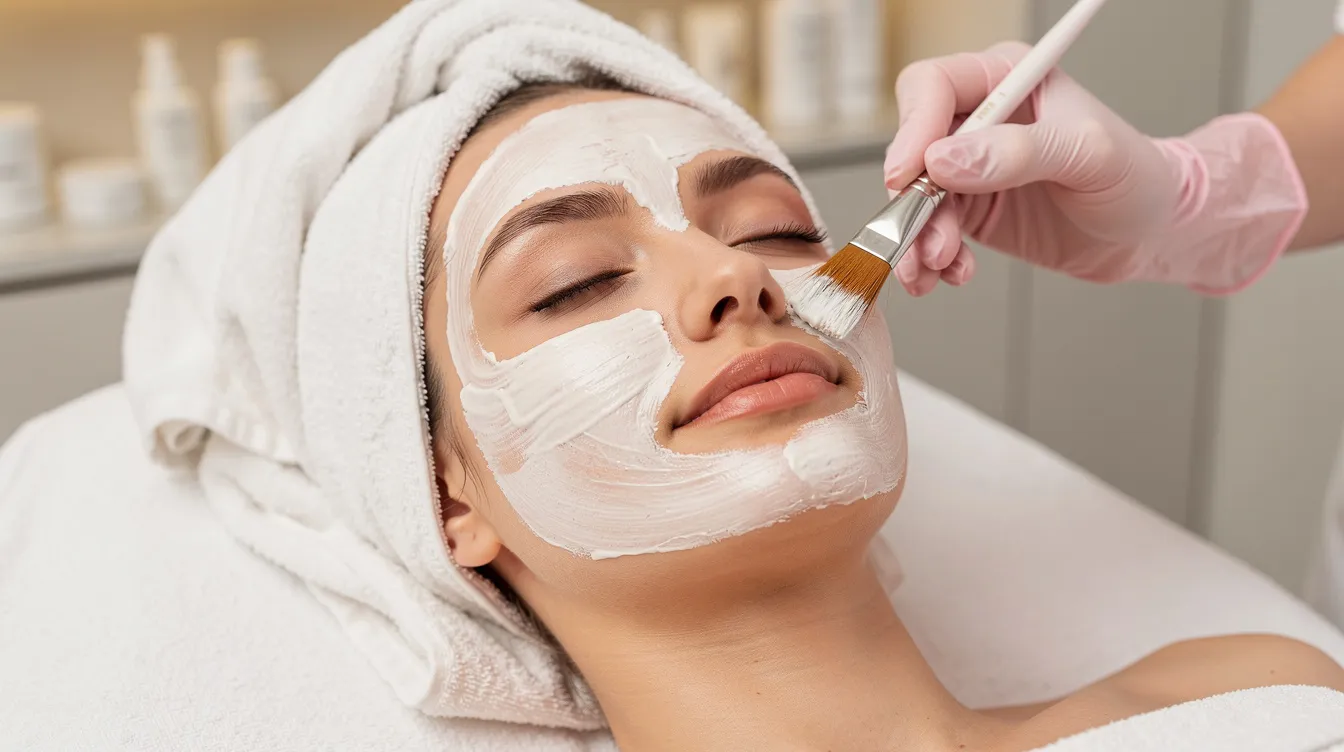
An esthetician is a licensed skincare professional who helps clients care for their skin through treatments like facials, exfoliation, and hair removal. Depending on their training and state regulations, they may also offer microdermabrasion, dermaplaning, light chemical peels, and lash and brow services.
Beyond treatments, estheticians help clients understand their skin and recommend products and at-home routines to maintain results between visits.
Their focus is cosmetic care, not medical treatment. An esthetician license does not authorize them to diagnose skin conditions, prescribe medication, or give injections. When a concern needs medical attention, they refer clients to a dermatologist or another licensed healthcare professional.
You’ll find estheticians working in spas, salons, resorts, wellness centers, and medical offices. Whether you’re exploring this career or opening your own practice, this guide covers what estheticians do, their limitations, and the basics of building and running a compliant business.
Key Differences: Esthiology vs Cosmetology
The main difference between estheticians and cosmetologists comes down to their training and the services they provide. Estheticians specialize in skincare, offering treatments such as facials, waxing, chemical peels, and microdermabrasion. Cosmetologists, on the other hand, receive broader beauty training that covers hair, nails, makeup, and basic skincare services. They can cut, color, and style hair, perform manicures and pedicures, apply makeup, and offer basic facials, but they typically aren’t trained to provide more advanced skincare treatments. Training requirements also differ, with esthetician programs generally taking six to nine months and requiring around 600 to 900 hours, while cosmetology programs can take nine to 18 months and require approximately 1,000 to 2,100 hours. Their work environments can also look different: estheticians often work in spas, wellness centers, or dermatology clinics, while cosmetologists are more commonly found in busy, fast-paced salons.
How to Become an Esthetician: Esthetician School and Training
Once you have graduated from an esthetician school program in the broader beauty industry, becoming an esthetician means completing your state's required training hours and passing your board exams. Because basic requirements vary by state, it is best to check your specific state regulations. In some states, for example, you must be at least 18 years old, hold a high school diploma or GED, and complete the required training hours.
Ohio, for example, expressly limits estheticians to their licensed scope even when they work under a physician’s direct supervision. You are required to have 600 hours of instruction covering skin care, facials, anatomy, safety procedures, strict hygiene standards, and sterilizing tools.
Program length varies depending on your state’s required training hours and whether you attend full or part time. The hands-on training and practical experience in these programs help students prepare for the state board exam. Upon completing your esthetics program, you will be required to pass the state licensing exam. This is typically a two-part process that includes a written test covering skin science, chemistry, and safety rules, as well as a practical portion of the state board exam focused on performing services safely in a real-world experience setting. Facility cleanliness and hygiene are core expectations in both training and daily practice.
Following your authorization, estheticians work in day spas, a salon, or medical spas, including medical aesthetics settings such as dermatology practices. Alternatively, you may choose to pursue advanced certifications, such as laser treatments or master aesthetics.
Continuing education pathways are highly recommended. For long-term success, we encourage ongoing self-investment through advanced training and skincare education to build new skills, refine advanced techniques, and expand career paths, as many estheticians do.
Your next step depends on the kind of career you want to build. You may be exploring opportunities with an established spa or planning a business of your own. For readers considering business ownership, the following sections cover the basics of choosing a business structure, reviewing licensing requirements, and considering insurance.
Do Estheticians Need an LLC?
If you are an esthetician thinking about starting your own business, one of your first and most important decisions will be choosing your business structure. An LLC can be a helpful option for estheticians who want to separate their business from their personal finances. While it limits personal liability for certain business debts and legal claims, it does not protect you in every situation. You may still be personally responsible for your own negligence or debts you personally guarantee. For this reason, business structure and appropriate insurance should be considered together. Understanding the corporate veil will help with any questions concerning this matter.
Many new business owners mistakenly assume that operating alone means they should form a sole proprietorship. However, under a sole proprietorship, you and your business are legally the same entity, meaning it offers no personal liability protection. For licensed professionals who work directly with clients, the SBA advises choosing a structure based on the business’s circumstances, legal protections, and other considerations. If your profession involves potential liabilities, forming an LLC may be your best option to protect your personal assets, and tools like a business structure wizard for liability and tax needs can help you compare options.
Grow Your Business and Keep Clients Coming Back
Don’t just form an LLC, build a business that’s ready for customers. Firstep Business Solutions brings formation, compliance support, and everyday business tools together in one place. From LLC formation, annual reports, registered agent services, and EIN setup to appointment booking, invoicing, payments, CRM management, customer communication, and automated follow-ups, Firstep helps simplify the systems that keep your business running. Its CRM and marketing automation tools can also help you manage leads, stay connected with clients, and organize sales activity in one place. Website and hosting services, reputation and review management, analytics, and automated social posts can further support your online presence as your business grows. With fewer systems, filings, and deadlines to juggle on your own, you can spend more time serving clients, building relationships, and growing your business with confidence.
Licenses and Insurance for Esthetician LLCs
Your insurance needs will depend on your business, its risks, and your state’s requirements. Some coverage may be legally required, while other policies help address risks beyond those requirements. A licensed insurance professional can help you review suitable coverage.
The specific licenses and permits required for your business will vary based on your location. Depending on where and how you operate, you may need state or local business licenses and permits in addition to your professional esthetician license. Please be sure to check your specific state's requirements to ensure you are fully compliant and have obtained all necessary permits for brick-and-mortar businesses.
Depending on your business and state requirements, coverage you may want or need to consider includes:
-
General Liability: Covers everyday accidents unrelated to treatments, such as a client slipping and falling in your waiting room or you accidentally breaking a client's personal item
-
Professional Liability (Malpractice): Protects you if a client claims your facial, wax, chemical peel, or skincare advice caused physical harm, an adverse reaction, or an unsatisfactory outcome
-
Product Liability: Covers you if a retail or treatment product you sell or use causes a bad reaction or injury; this is often bundled with general liability
-
Workers' compensation (mandatory in most states once you hire employees)
How to Form an LLC for an Esthetician Business
The steps required to correctly form an LLC vary by state, but most esthetician business owners can expect to complete several common formation tasks:
-
Choosing a Business Name - The first step of forming a new LLC will be to choose a name for your business. This will be one of the most important tasks as your business name will be the first thing potential customers see when they are interacting with your business. Also, you will need to check the state database to ensure your chosen name is not actively in use by any other businesses, as your name will need to be unique and distinguishable from other businesses in your state to avoid any confusion. Lastly, you will need to include a designator in your business name such as "LLC" or "Limited Liability Company" in your official business name.
-
Appoint a Registered Agent - All LLCs that are officially registered will need to have an active registered agent with a current physical address listed. Your registered agent will be responsible for receiving any service of process or important notices that are sent to your business by the state or by a court. To be approved, on top of having a current physical address, your registered agent will need to be at least 18 years old, and be available at their listed address during regular business hours to receive these notices which is Monday -Friday 9am-5pm.
-
Submit Your Articles of Organization - This form will be what officially establishes your business with the state you are operating in. Some states may call this something different, such as Certificate of Organization, but these all serve the same purpose. The Articles of Organization will include your business information, registered agent information, and ownership information that will be listed for your business on the state database.
-
Draft an Operating Agreement - The operating agreement will outline the roles and responsibilities of the business owners, as well as detail the processes for how significant decisions are made such as members joining and leaving the business and the decision making process for the business. An operating agreement is useful to determine the ownership percentages of the owners and voting rights to ensure there are no disputes between the owners of the business and owners are aware of their roles.
-
Obtain an EIN - An EIN, or employer identification number, will be issued to your business by the IRS and will act as a social security number for your business. Your EIN will be used for hiring employees, filing taxes, and opening a business bank account. These numbers are only issued to each business once, and they do not expire. If you forget your EIN that you have already gotten, you are able to retrieve it from the IRS but it can be a lengthy process. It's important to keep this documentation in a secure place.
-
Open a Business Bank Account - A business bank will help to establish a clear separation of personal and business finances by creating a separate account only used for your business. This is important for continuing the liability protections granted to LLC owners and make tracking revenues and expenses much easier.
-
Maintain Ongoing Good Standing - For the majority of states you register your LLC in you will be required to file annual reports and register for any required business licenses to maintain your business's good standing. You may need to obtain a general business license if your state requires it, as well as keeping your business information and registered agent information up to date with the Secretary of State to continue operating as a legal business entity.
Conclusion
Depending on the state where you operate, your business may need to file additional documentation or obtain specific licensing to maintain good standing. Because compliance regulations vary by state, we recommend researching these requirements thoroughly.
Managing ongoing compliance is critical to keeping your company operating legally. Many owners choose to use professional services rather than handling every deadline themselves. Staying organized makes compliance easier.
Keeping your LLC in good standing helps your business stay compliant and continue operating smoothly. Depending on your state, missing required filings or deadlines can lead to penalties or administrative action. To make ongoing compliance easier to manage, many business owners use business filing and compliance services powered by Firstep after registering their corporation or formal entity, helping them stay organized and keep important requirements on track.