How to Start a Barber Business: Services, Licensing, and LLC Setup
What Is a Barber and What Does a Barber Do in a Barber Shop?
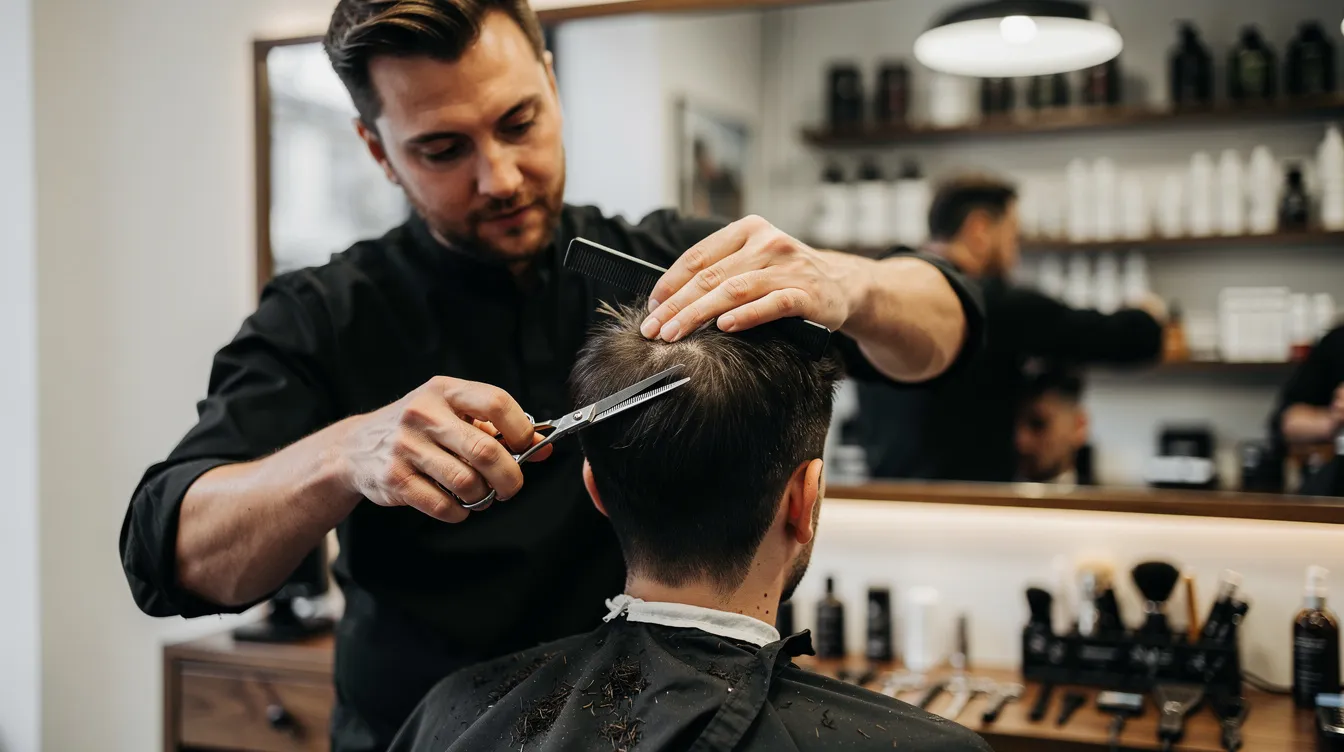
A barber is a trained professional who specializes in cutting, styling, and grooming men’s and boys’ hair, as well as trimming and shaping facial hair like beards and mustaches, though many modern barbers now serve clients across different hairstyles and hair types. For working barbers and aspiring barber business owners, that definition is only the starting point.
Being a barber involves more than giving a good haircut. It takes technical skill, creativity, attention to detail, and strong people skills, and common barber services include haircuts, fades, lineups, beard trims, shaves, and hair styling. Barbers also help clients choose styles that fit their hair, preferences, and daily routine.
If you’re planning to turn barbering into a business, understanding the work itself and the steps to operate legally can protect your personal assets and set you up for steady growth. This guide explains what barbers do, the licensing and insurance requirements you may need to meet, how a barber LLC can work, what ongoing compliance involves, and how Firstep Business Solutions can help support and grow your barbering business.
A big part of the job is building relationships with clients. Barbers spend a lot of time talking with people, listening to what they want, and creating an experience that keeps them coming back. For many clients, the barbershop is just as much about feeling comfortable and confident as it is about getting a fresh cut.
Barbers are also responsible for keeping their workspace clean and safe. This includes disinfecting reusable tools, cleaning workstations, using equipment properly, and following state health and sanitation requirements.
A Brief History of Barbering and Barber School
The barbering profession has a long and interesting history. Centuries ago, some barbers were known as barber-surgeons because they did much more than cut hair. They also performed procedures such as bloodletting, tooth extractions, and minor surgeries.
The traditional barber pole is connected to this history. Its red and white stripes are commonly linked to blood and bandages used during early barber-surgeon practices, while barber poles in the United States often include blue as well.
Modern barbering looks very different. Today, barbers focus on professional haircuts, facial hair grooming, shaving, styling, and other personal grooming services. As the profession became more regulated, barber schools and formal training programs became an important part of preparing barbers for licensing, sanitation standards, and hands-on work with clients. Licensing requirements and the services barbers can legally provide vary by state, so proper training and education are an important part of starting a barbering career.
Essential Skills Every Barber Needs, Including Straight Razor Shaving
A successful barber needs a strong mix of technical barbering skills, attention to detail, and customer service. Whether you are working in a barbershop or building your own barber business, these skills can help you provide quality services and build long-term relationships with clients.
-
Haircutting and Fading: Barbers should be comfortable with classic haircuts, fades, tapers, crew cuts, and working with different hair types, textures, and lengths.
-
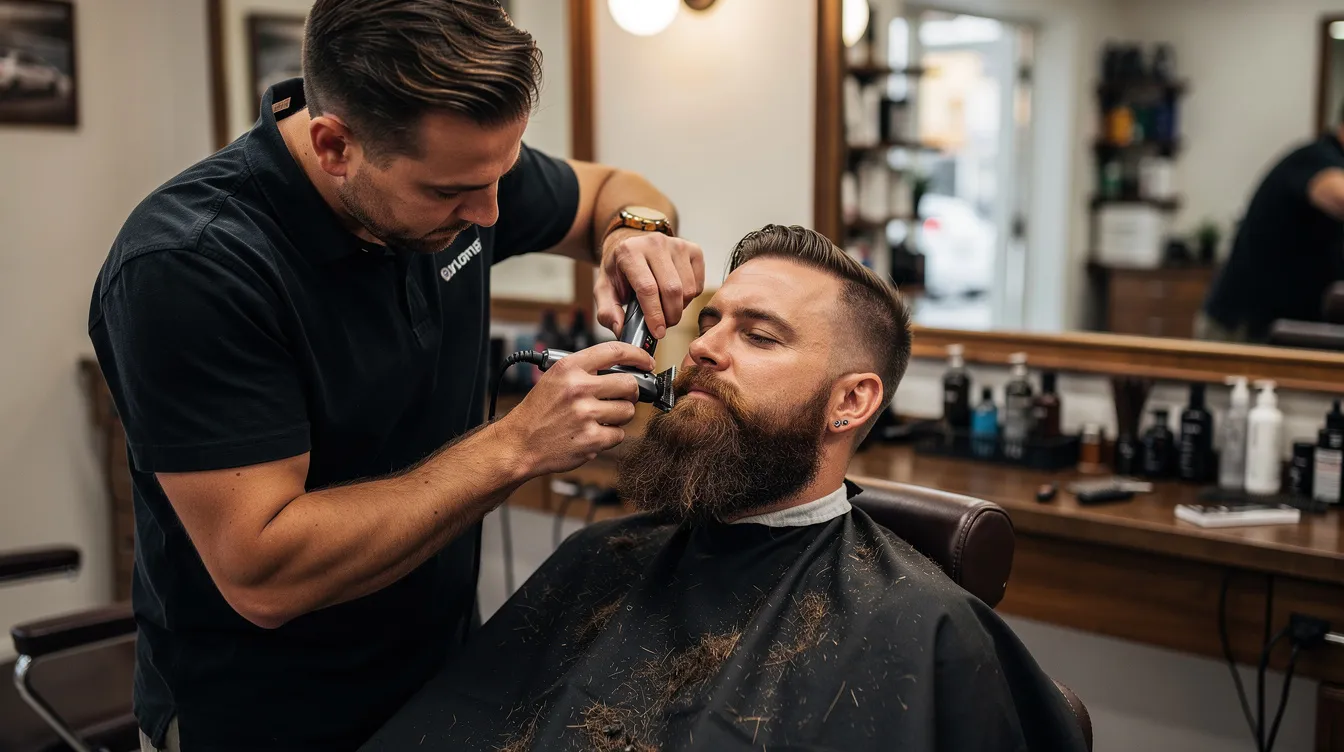
Beard Grooming: Beard trims, shaping, and mustache grooming are common barber services that help clients maintain a clean, polished look.
-
Straight Razor Shaving: Straight razor shaving requires precision, safety, and proper technique. Many barbers also offer hot towel shaves, hot lather, and other traditional grooming services.
-
Attention to Detail: Clean lineups, smooth fades, balanced cuts, and sharp edges around the ears and neck can make a noticeable difference in the finished style.
-
Customer Service: Good communication is just as important as technical skill. Listening to clients, understanding the look they want, and creating a welcoming barbershop experience can help turn new customers into regulars.
-
Sanitation and Safety: Barbers must properly clean tools, disinfect workstations, and follow state health and sanitation requirements to protect both clients and staff.
Unlike hairstylists or hairdressers, barbers often specialize in shorter hairstyles, facial hair grooming, fades, and shaving services. Most barbers develop their skills through barber school, hands-on training, and experience behind the chair. Continuing to learn new haircutting and grooming techniques can also help barbers keep up with changing trends and provide the services clients are looking for.
Licenses and Insurance for Barber LLCs
Starting a barber LLC involves more than forming the business with your state. You also need to make sure you have the proper barber licenses, business permits, and insurance required where you operate.
Barber Licensing and Permit Requirements
Barber licensing requirements vary by state and location. In addition to a professional barber license, you may also need a local business license, barbershop permit, or other approvals, especially if you plan to open a physical location.
Most states set their own barber license requirements, which may include barber school, a minimum number of training hours, state exams, and licensing fees. Depending on the state, barber training programs may require around 800 to 2,000 hours of instruction. Barber school tuition often ranges from about $6,500 to $10,000, while barber license exam fees may range from $50 to $150.
Before opening a barber business, it’s a good idea to check with your state barbering board and local government to confirm the licenses, permits, and training requirements that apply in your area.
Insurance for a Barber Business
Business insurance can help protect your barbershop or independent barber business from common risks. Depending on your business setup and state requirements, you may want or need to consider:
-
General Liability Insurance: Helps cover common accidents, such as a client slipping in your shop or damage to a customer’s property.
-
Professional Liability Insurance: May help protect you if a client claims a haircut, shave, or other barbering service caused an injury or skin reaction.
-
Product Liability Insurance: Can help cover claims related to grooming or hair products you use or sell.
-
Workers’ Compensation Insurance: May be required if you hire employees, depending on your state.
Because barber license, permit, and insurance requirements vary by state, check with your state barbering board and local government before opening or operating your business.
Do Barbers Need an LLC?
If you are a barber thinking about starting your own business, one of your first and most important decisions will be choosing your business structure. For many independent barbers and barbershop owners, an LLC can be a practical option for separating business and personal finances. While it limits personal liability for certain business debts and legal claims, it does not protect you in every situation. You may still be personally responsible for your own negligence or debts you personally guarantee. For this reason, business structure and appropriate insurance should be considered together. Understanding the corporate veil will help with any questions concerning this matter.
Many new business owners mistakenly assume that operating alone means they should form a sole proprietorship. However, under a sole proprietorship, you and your business are legally the same entity, meaning it offers no personal liability protection. For licensed professionals who work directly with clients, the SBA advises choosing a structure based on the business’s circumstances, legal protections, and other considerations. If your profession comes with potential liability risks, an LLC may be worth considering as a way to help separate your personal and business finances. Tools like a business structure wizard for liability and tax needs can also help you compare your options and choose a structure that fits your business.
Grow Your Business and Keep Clients Coming Back
Don’t just form an LLC, build a business that’s ready for customers. Firstep Business Solutions brings formation, compliance support, and everyday business tools together in one place. Firstep Business Solutions can help with the business side of getting started, including LLC formation, annual reports, registered agent services, and EIN setup.
Once your business is up and running, tools for appointment booking, invoicing, payments, and CRM management can help simplify everyday tasks. Customer communication and automated follow-ups can also make it easier to stay connected with clients and encourage repeat business. As your barber business grows, website and hosting services, reputation and review management, analytics, and automated social posts can help support your online presence.
Convenience matters to clients too. Online booking, flexible appointment times, and clear communication can make the overall experience easier and help keep customers coming back. With fewer systems, filings, and deadlines to manage on your own, you can spend more time serving clients, building relationships, and growing your business with confidence.
How to Form an LLC for a Barber Business
To form an LLC, you’ll need to complete several steps required by the state where your business is registered. While the exact requirements can vary by state, most LLC formations follow a similar process, including:
-
Choosing a Business Name - The first step of forming a new LLC will be to choose a name for your business. This will be one of the most important tasks as your business name will be the first thing potential customers see when they are interacting with your business. Also, you will need to check the state database to ensure your chosen name is not actively in use by any other businesses, as your name will need to be unique and distinguishable from other businesses in your state to avoid any confusion. Lastly, you will need to include a designator in your business name such as "LLC" or "Limited Liability Company" in your official business name.
-
Appoint a Registered Agent - Most LLCs are required to maintain a registered agent in the state where the business is registered. The registered agent receives service of process, legal notices, and other official documents on behalf of the business. Requirements vary by state, but registered agents generally need a physical street address in the state and must be available to receive documents during normal business hours.
-
Submit Your Articles of Organization - This form will be what officially establishes your business with the state you are operating in. Some states may call this something different, such as Certificate of Organization, but these all serve the same purpose. The Articles of Organization will include your business information, registered agent information, and ownership information that will be listed for your business on the state database.
-
Draft an Operating Agreement - An operating agreement outlines the roles and responsibilities of the business owners and explains how important decisions will be made. It can also define ownership percentages, voting rights, and what happens if a member joins or leaves the business. Having these details in writing can help prevent confusion and make sure everyone understands their role.
-
Obtain an EIN - An EIN, or employer identification number, will be issued to your business by the IRS and will act as a social security number for your business. Your EIN will be used for hiring employees, filing taxes, and opening a business bank account. These numbers are only issued to each business once, and they do not expire. If you forget your EIN that you have already gotten, you are able to retrieve it from the IRS but it can be a lengthy process. It's important to keep this documentation in a secure place.
-
Open a Business Bank Account - A business bank account can help to establish a clear separation of personal and business finances by creating a separate account only used for your business. Keeping business and personal finances separate can also make bookkeeping easier and help maintain a clear distinction between you and your LLC.
-
Maintain Ongoing Good Standing - For the majority of states you register your LLC in you will be required to file annual reports and register for any required business licenses to maintain your business's good standing. You may need to obtain a general business license if your state requires it, as well as keeping your business information and registered agent information up to date with the Secretary of State to continue operating as a legal business entity.
Ongoing Compliance for a Barber Business
After forming your barber business, you will need to keep up with ongoing state requirements to keep your LLC or corporation in good standing. Depending on where you operate, this may include annual reports, business license renewals, fees, or other required filings.
Because these requirements vary by state, it is important to know which deadlines apply to your business and stay organized throughout the year. Missing a filing or payment could lead to late fees, penalties, or other administrative issues.
Managing ongoing compliance can be easier with professional support. Firstep Business Solutions offers business filing and compliance services to help business owners keep important requirements and deadlines on track after forming their corporation or business entity.
Final Thoughts on Starting a Barber Business
Becoming a successful barber takes more than technical skill. It also means understanding your licensing requirements, protecting your business, staying compliant, and creating an experience that keeps clients coming back. Whether you are renting a chair, opening your own barbershop, or building a larger barber business, taking the time to set things up properly can give you a stronger foundation for long-term growth. With the right planning and support, you can spend less time worrying about paperwork and more time focusing on your clients and growing your business.