How to Start a Massage Therapy LLC: A Guide for Business Owners
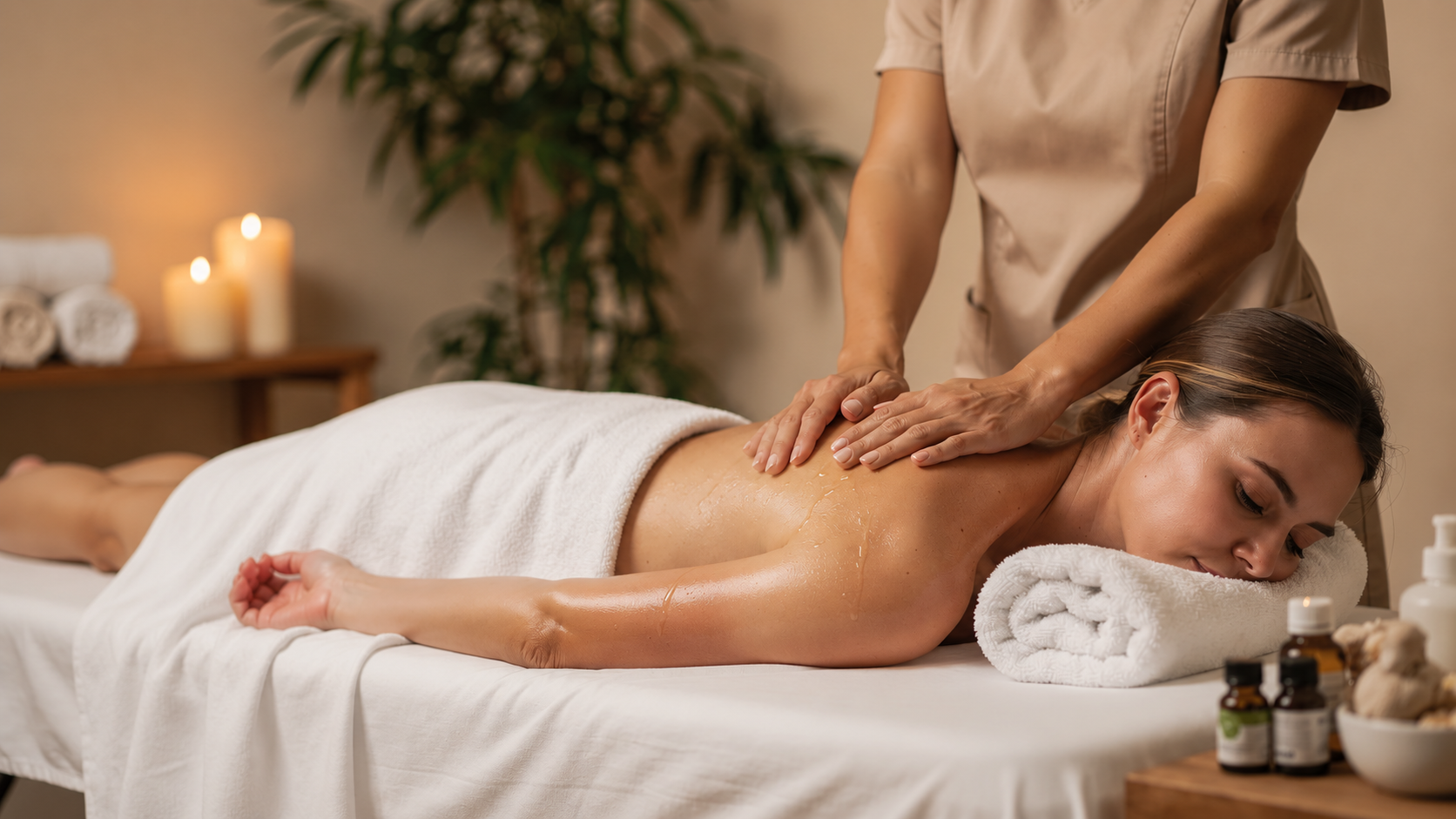
Massage therapy is the hands-on manipulation of the body’s soft tissues, including muscles, tendons, ligaments, and skin. Using their hands, fingers, elbows, or forearms, trained massage therapists apply pressure and movement to help reduce stress, ease muscle tension, relieve discomfort, and support circulation.
For massage therapists who want to work independently or open their own practice, understanding how to start a massage therapy business is just as important as providing quality client care. From choosing the right business structure to meeting massage therapy license requirements, there are several steps involved in setting up a compliant and professional practice.
This guide explains how to form a massage therapist LLC, compares common business structures, and covers state licensing and massage therapy regulations. It also reviews business insurance, board certification, ongoing compliance, safe operating practices, and flexible career paths. You will also learn how Firstep Business Solutions can help you form, manage, and grow your massage therapy business.
Do Massage Therapists Need an LLC?
Massage therapists are not always required to form an LLC, but many choose one to create a separate legal business entity and help protect personal assets from certain business liabilities. An LLC can also make it easier to separate personal and business finances, build credibility, and manage your massage therapy practice as it grows.
LLC protection is not unlimited, so it is still important to maintain proper business records, keep finances separate, carry appropriate insurance, and keep your LLC in good standing.
If your business faces legal action, an LLC may help limit certain claims to business owned assets rather than your personal property. However, the level of protection can depend on how the business is operated and whether you maintain the separation between personal and business activities. Understanding the corporate veil can help explain how that protection works.
Compare Business Structures for Massage Therapists
Many newly registered business owners believe that because they operate alone, they should form their business as a sole proprietorship. However, this is often not the best approach, and many solo operators eventually transition from a DBA (Doing Business As) to a more protective structure after reviewing resources on registering a sole proprietorship or partnership business.
A sole proprietorship means that you and the business are legally the same entity. Consequently, this business structure offers no state liability protections. If your profession involves potential liabilities, forming an LLC is typically your best option to protect your personal assets, and tools like a business structure wizard for liability and tax needs can help you compare options.
Forming an LLC is particularly relevant for certain licensed massage therapist career paths, such as mobile massage therapists, independent practitioners, or studio owners.
For a closer look at the differences, see Firstep’s guide, Is an LLC or a Sole Proprietorship the Right Choice for My Business? This guide provides a closer look at the differences between these two business structures.
How Firstep Helps You Start and Grow a Massage Therapy Business
Don’t just form an LLC, build a business that’s ready for customers. Firstep Business Solutions brings formation, compliance support, and everyday business tools together in one place. Firstep Business Solutions can help with the business side of getting started, including LLC formation, annual reports, registered agent services, and EIN setup.
Once your business is up and running, tools for appointment booking, invoicing, payments, and CRM management can help simplify routine business tasks. Customer communication and automated follow ups can also make it easier to stay connected with clients and encourage repeat business. As your massage therapy business grows, website and hosting services, reputation and review management, analytics, automated social posts, and marketing tools can help support your online presence.
Convenience matters to clients too. Online booking, flexible appointment times, and clear communication with easy ways to contact the business can make the overall experience easier and help keep customers coming back. With fewer systems, filings, and deadlines to manage on your own, you can spend more time serving clients, building relationships, and growing your business with confidence.
Flexible Career Paths for Massage Therapists
Massage therapy offers plenty of flexibility in how and where you work. Massage therapists may work in clinics, hospitals, spas, wellness centers, hospices, or provide mobile massage services. Many also work part-time or across multiple settings, depending on their schedule and career goals. In clinical environments, therapists may work directly with patients and around medical equipment. According to the American Massage Therapy Association (AMTA), 73% of massage therapists work as sole practitioners. AMTA also reports that 53% of massage therapists work at clients' homes or businesses, while 21% work in healthcare settings.
For massage therapists who choose to work for themselves, Firstep Business Solutions can help make the business side easier. From forming your LLC and staying compliant to managing appointments, payments, clients, and your online presence, Firstep Business Solutions gives massage therapy business owners the tools they need to stay organized and focus more on their clients.
Massage therapy is also a growing career field. The U.S. Bureau of Labor Statistics reports a median annual wage of $57,950 in 2024, with employment projected to grow 15% from 2024 to 2034.
Whether you want to open your own massage studio, offer mobile services, or build a flexible independent practice, different work styles can shape whether you prefer mobile work, spa employment, healthcare roles, or independent practice. With Firstep Business Solutions helping manage the business side, it can be easier to build a massage therapy practice that is ready for clients and built to grow.
Sports Massage Treatment
Sports massage treatment is designed to help active clients manage muscle tension, improve flexibility, and support recovery before or after physical activity. Massage therapists may use targeted pressure, stretching, and other massage techniques to focus on overworked muscles and areas of soreness.
Sports massage can be helpful for athletes, fitness clients, and anyone with a physically demanding lifestyle. Treatment should always be adjusted to the client’s needs, activity level, and comfort.
What Makes a Professional Massage Therapist?
A professional massage therapist combines hands-on skill with proper training, communication, and client care. Depending on state requirements, massage therapists may need to complete an approved education program, pass a licensing exam, and maintain continuing education to keep their credentials current.
Professionalism also includes respecting client boundaries, following proper draping and sanitation practices, maintaining clear records, and adjusting massage techniques based on each client’s needs and comfort level.
For massage therapy business owners, being professional goes beyond the treatment room. Reliable scheduling, clear communication, proper licensing, insurance, and ongoing business compliance can all help build trust and create a better client experience.
Deep Tissue Massage Business Considerations
Safety and Client Assessment: Before providing deep tissue massage, which targets deeper layers of muscle and fascia, therapists should consider the client’s health history, symptoms, posture, movement, and overall body comfort level. Treatment should be adjusted to the client’s needs and wellness goals.
Professional Boundaries: Proper draping and clear professional boundaries should always be maintained to protect client comfort and privacy.
Pressure and Communication: Deep tissue massage uses firmer pressure, so therapists should regularly check in with clients to make sure the treatment remains comfortable and therapeutic.
Medical Considerations: Certain injuries, health conditions, or areas of inflammation may require treatment modifications or medical clearance before deep tissue massage is performed.
Client Education: Therapists may also recommend simple self-care, stretching, or posture tips to support function between massage sessions and help relieve stress.
State Licensing and Massage Therapy Regulations
Massage therapy licensing requirements vary by state. Many programs require applicants to have a high school diploma, and massage therapy programs typically require a minimum number of training hours. In most states, licensing standards require massage therapists to complete approved training and pass an exam such as the MBLEx, while the National Certification Board can be part of voluntary credentialing beyond basic licensure. Programs commonly cover anatomy, kinesiology, safety, ethics, and hands-on massage techniques.
Depending on where you operate, you may also need a business license, local permits, zoning approval, or additional authorization for a home-based or commercial massage therapy practice.
Before opening your massage therapy business, be sure to:
-
Verify your state’s required training hours and exams.
-
Confirm your legal scope of practice for therapeutic massage.
-
Check local business licensing and zoning requirements.
-
Review any renewal or continuing education requirements.
Because massage therapy laws vary by state, always check with your state licensing board and local government before beginning operations.
Business Insurance for Massage Therapists
Business insurance can help protect your massage therapy practice from common risks. Depending on your services and location, coverage may include general liability insurance for accidents or property damage and professional liability insurance for claims related to your services.
Insurance requirements vary by state, employer, landlord, and business setup, so review the coverage that applies to your massage therapy business before working with clients.
Step-by-Step LLC Formation Checklist for Massage Therapists
The exact process for forming an LLC varies by state, but most massage therapists will follow the same basic steps. If you are starting a massage therapy business, this LLC formation checklist can help you understand what to expect.
1. Choose a Business Name
Choose a business name that reflects your massage therapy services and is available in your state. Your state may also allow you to reserve the name before officially forming your LLC.
2. Appoint a Registered Agent
Every LLC must have a registered agent to receive legal documents and official state notices. The registered agent generally must have a physical address in the state where your LLC is formed and be available during normal business hours.
3. File Your Articles of Organization
Articles of Organization officially register your LLC with the state. Some states use a different name, such as Certificate of Organization, but the purpose is the same. This filing typically includes your business, ownership, and registered agent information.
4. Create an Operating Agreement
An operating agreement explains how your LLC will operate, including ownership responsibilities, voting rights, financial procedures, and how members may join or leave the business.
5. Obtain an EIN
Obtain an EIN - An Employer Identification Number (EIN) is issued by the IRS and acts as your business’s federal tax ID. You may need it to hire employees, file taxes, and open a business bank account. EINs do not expire, so keep your documentation in a secure place.
6. Open a Business Bank Account
A separate business bank account helps keep your personal and business finances separate, making bookkeeping, taxes, and financial management easier.
7. Keep Your LLC in Good Standing
Ongoing LLC compliance requirements vary by state and may include annual or biennial reports, fees, and updated business information.
Let Firstep Handle the LLC Formation Process
Forming an LLC for your massage therapy business involves several filings, deadlines, and ongoing requirements. Firstep Business Solutions can handle the process for you, helping you form your LLC, stay compliant, and manage your business from one convenient dashboard.
Ongoing Compliance for a Massage Therapy Business
After forming your massage therapy business, you will need to keep up with ongoing state and local requirements to keep your LLC or corporation in good standing. Depending on where you operate, this may include annual reports, business license renewals, professional license renewals, fees, or other required filings.
Because these requirements vary by state, it is important to know which deadlines apply to your massage therapy business and stay organized throughout the year. Missing a filing or renewal could lead to late fees, penalties, or other administrative issues.
Managing ongoing compliance can be easier with professional support. Firstep Business Solutions offers business filing and compliance services to help massage therapy business owners stay on top of important requirements and deadlines after forming their corporation or business entity.
Frequently Asked Questions About Starting a Massage Therapy Business
If you are still deciding how to start or structure your massage therapy business, these frequently asked questions cover some of the most common topics about LLCs, licensing, insurance, and running an independent massage therapy practice.
Do Massage Therapists Need an LLC?
Massage therapists are not always required to form an LLC, but many choose one to create a separate legal business entity and help separate personal and business liabilities. Whether an LLC is right for you depends on your business setup, location, and long-term goals.
Can a Massage Therapist Be Self-Employed?
Yes. Many massage therapists work as independent practitioners, mobile massage therapists, sole proprietors, or LLC owners. Self-employment can give you more control over your schedule, services, pricing, and client experience.
What Licenses Do You Need to Start a Massage Therapy Business?
Licensing requirements vary by state and location. You may need a massage therapy license, business license, local permits, zoning approval, or other registrations before providing services. Always check with your state licensing board and local government before opening your practice.
Do Massage Therapists Need Business Insurance?
Business insurance can help protect massage therapists from common risks. Depending on your services and business setup, coverage may include general liability insurance and professional liability insurance. Requirements can vary by state, employer, landlord, or location.
Building a Successful Massage Therapy Business
Starting a massage therapy business takes more than strong hands on skills. You also need the right business structure, proper licensing, insurance, ongoing compliance, and systems that make it easy for clients to book and stay connected, similar to the broader steps involved when you start a business in any industry.
Whether you provide mobile massage services, rent treatment space, or open your own studio, setting up your business properly can give you a stronger foundation for long term growth. Firstep Business Solutions can help with LLC formation, compliance, scheduling, payments, and everyday business tools so you can spend less time managing paperwork and more time serving your clients and growing your massage therapy practice, backed by a track record of supporting entrepreneurs with reliable filing services.