Key Differences Between Owning a Business and a Franchise Explained
Introduction
In recent years, many prospective business owners might have been faced with a difficult question. Should you open your own business from scratch or should you purchase a franchised business? Each option will give you the chance to be the owner of a business, but these choices will have varying responsibilities and benefits to them depending on what you are interested in. As you look at these different options, you will see clear differences in the day to day tasks and long term possibilities between the two as well as what you will be required to do as the owner.
This article will be comparing these two options and helping you decide whether you should try to focus on opening a new business to run yourself or if you should look into purchasing a franchised business and take over something that is already up and running. However, as with most things, there is no clear-cut answer and you will need to make this choice based on of your personal circumstances. This guide is to give the pros and cons of each ownership role and give you the information to make you feel comfortable making this decision.
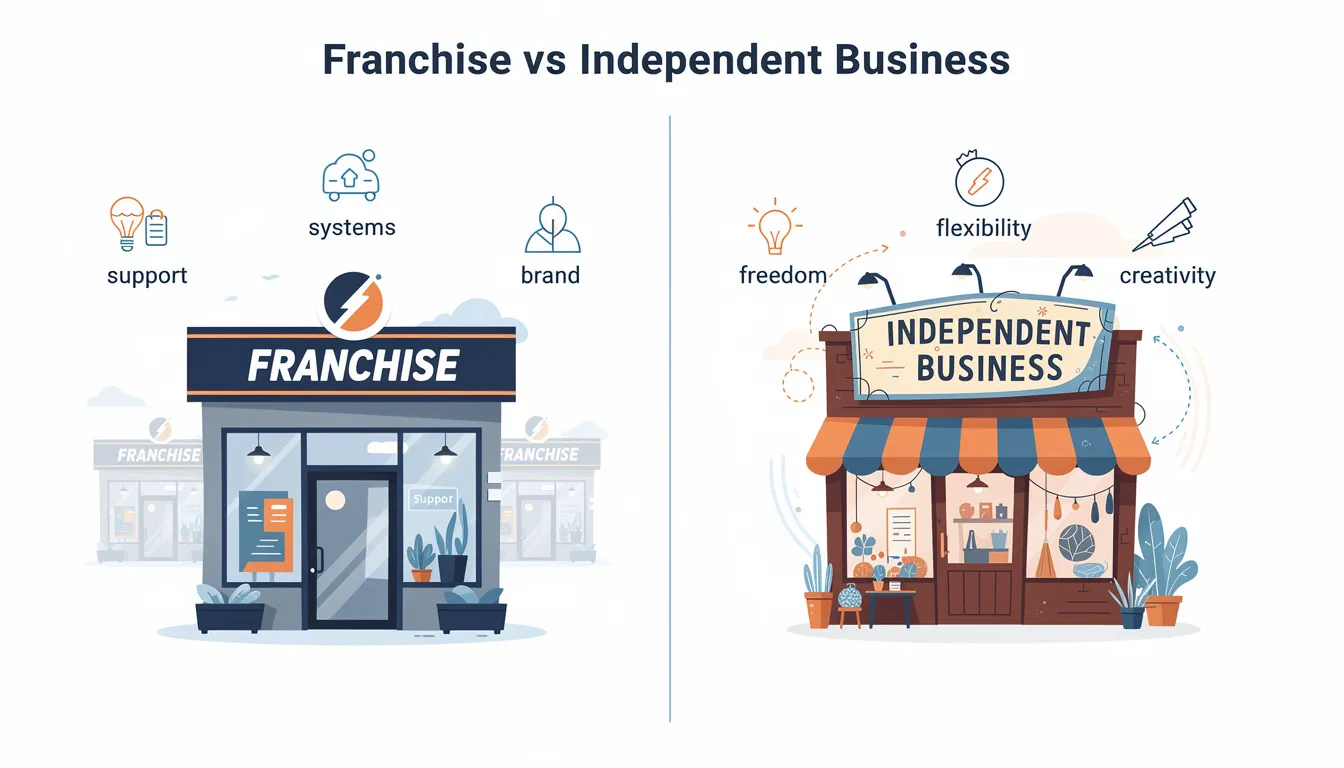
What is the a Franchise vs an Independent Business
Before going into a more in depth overview of the differences of these business models, here's a quick look at the broad definitions of each type.
A Franchise: This type of business is when an uninvolved person (franchisee) pays an initial starting fee to an established brand (franchise) or business to be able to operate under this business name, brand, and model. You will be required to pay an ongoing royalty fee to the business and follow the common practices and guidelines that have already been established by them. Think of an example of someone purchasing a Chick Fil A franchise, you will need to ensure you are following their recipes, their established rules and practices, use their name and logos, and be a part of any marketing campaign they decide to launch.
An Independent Business: This is a type of business where you will be the sole owner and decision maker for the business. It will be created by you and because of that you will be able to choose how the business operates, the name, goods and services offered, etc. The only upfront fees you will need to pay are the initial start up fees paid to the Secretary of State to register your business, and you will own it entirely. An example of this would be opening your own chicken shop under the name of "John Smith's Chicken". You will be able to use whatever recipe, logos, marketing, and common practices of your choosing as there will be no prior agreements in place. This will give you much more control over your business and choose how to operate once the business is registered and in place.
Owning an Independent Business
If you are a new business owner who values control and decision making then this business model will be a great choice for you. You will be the sole owner and be responsible for all business operations and decisions made by the company. This can be a big advantage compared to operating a franchise due to the fact of this control you will have over the business. You will be more easily able to target local communities and have full creative control over how you market, sell, price, and develop new products and services.
An independent business model will also give you the full retention of profits and help you avoid any franchise fees or additional payments that will need to be made to other businesses. This aspect can give you more ability to grow your business as you are able to freely invest profits back into the business and spend this money on things that will help elevate your brand, such as marketing campaigns and advertising your new business, and ensure your business is growing as much as possible.

Cons of Owning Your Own Business
Although operating an independent business can have many advantages to it, there are cons that must be considered by those who are wanting to take on this venture. First, there will be no starting point for recognition or brand awareness for your business at the start. This will require a significant investment in marketing, whether that be local or online, to promote your business and generate a recurring customer base as you grow. It can be difficult at the start of the business lifespan to generate a following and recognition, but consistent efforts with a focus on creating credibility and proving value to customers is helpful in the long run.
Another con of independent businesses is having to learn how the business operations are done without help from anyone such as a franchisor training program. Especially if this is your first business venture, then you may feel overwhelmed trying to learn and deal with aspects such as managing the supply chain, standard operating procedures, marketing campaigns, software used for data and tracking, and best pricing strategies. This can be a huge difference compared to a franchise who will start with all these things in place already for them that have been developed and established by a bigger brand.
Owning a Franchise Business
Owning a franchised business can make the start up and operations a bit easier for new business owners through the established systems in place that have been set by a larger and credible brand already. When you purchase the rights to operate a franchised business, you will have some advantages right from the start that can help you learn the behind the scenes operations as well as make it easier for you to get going from the beginning as opposed to an independent business.
One main advantage of a franchised business is the fact you are taking over a proven business model that has more than likely been tested and shown success in multiple different areas and locations. This can help you as the owner by being able to implement some general ideas into their business model instead of having to create everything from scratch on your own. This allows you to avoid the stresses of creating marketing campaigns, supply chains, relationships with vendors, and purchasing equipment and tools to run the business.
Another advantage of running a franchised business is that they will typically come with a franchisor training program that will be helpful to show you the basics of business operations specific to the industry the business is in. Being a part of this allows you to gain an understanding of how most franchisees are succeeding before getting too far into ownership, and encourages you to have a place to reach out to for advice.
A few more advantages that owning a franchised business can have is already having established relationships with vendors which can help to reduce costs for inventory and equipment based on previously established agreements by the larger brand you are a franchisee of. Also, franchise businesses typically have a low failure rate because of the previously mentioned advantages and ensure you are getting the advice and help that is needed by experienced people who have a good knowledge base of the industry and business you are running.
Cons of Owning a Franchised Business
Although owning a franchised business can give business owners many benefits that can be extremely helpful, they do come with negative aspects as well that can sometimes be overlooked. For example, you will first need to provide the upfront franchise fees to obtain the rights for the business, logo, use of the brand, etc. The fees will vary depending on the brand or industry you are purchasing from. However, these fees will typically be quite high considering the advantages they give business owners and can persuade some people to avoid this type of ownership. These fees are high because they will cover the initial costs of using the rights from the franchised business, as well as the onboarding training, advice in selecting the location of the business, an existing cash flow, regional marketing campaigns, and the built in brand recognition that comes with the franchisor's brand.
Another con of franchised businesses is the inclusion of royalties that will be required to be paid to the initial business, that typically will vary from around 4% of revenue and can go up to 15% or higher depending on the agreement. You will also be expected to contribute to a mandatory marketing fund that will be used regionally for the existing business to promote not only your franchise, but others as well. Having these required contributions will affect your profit margin and can impact the amount of money you are actually making after paying all required fees.
Brand Recognition
A big factor that is included when operating a franchised business is brand recognition. As this can be one of the biggest concerns when starting your own business, having this advantage can significantly help generate a customer base and for most franchises you will start day one with an established customer base who trusts your brand and product. Take an example of a business owner purchasing a franchise from a brand such as McDonald's. You will not need to prove to customers your track record, advantages, product offerings, or need to generate advertising that conveys these messages. The franchisor's brand will do all this for you simply by being able to use their name, brand, logos, etc. Starting your business with a proven track record that customers recognize is very helpful and eliminates a lot of the headaches that come with starting your own business.
Your business success can sometimes be dependent on the brand recognition and trust customers have in your business, and operating a franchised business establishes this recognition and trust from day one without having to spend money on marketing and outreach campaigns to do this.
Building a Business From Scratch
Although owning a franchise can come with many advantages for you and your business operations, some business owners choose to take the harder route to be able to ensure their independence which can sometimes be the best path to take. For some business owners, the value that comes with making their own independent decisions is worth more than having established systems and relationships in place when starting their business. It can be a higher risk to do it on your own, but the potential advantages of having full control over your business and creating a successful business can be much more rewarding.
You will not need to deal with such a high initial investment, follow rules that are established by the franchisor business, or agree to franchisor's terms regarding contributions and standard procedures. The trade off will be the learning curve of operating a business on your own can be steep and sometimes new owners will overlook the difficulties that are included in running a new business on their own.
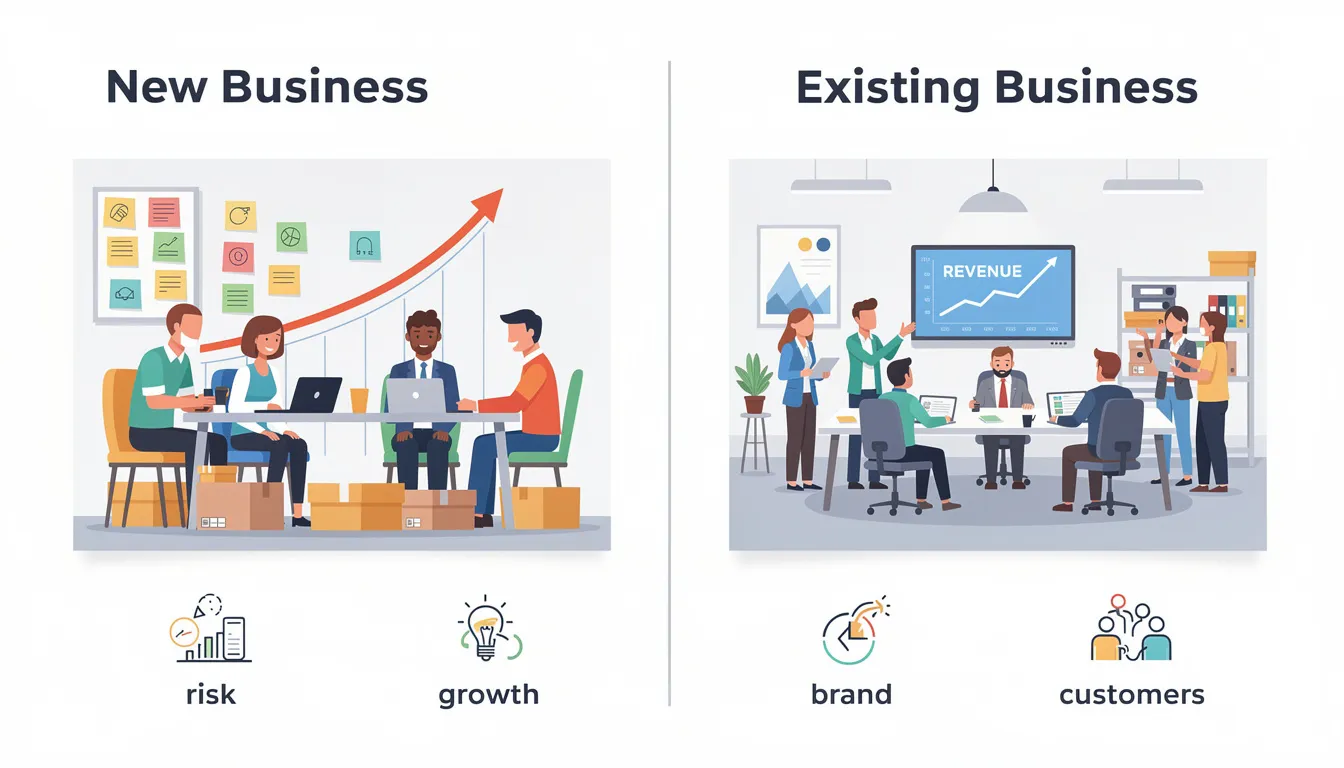
Existing Business vs New Business: Best Choice for You
Aspiring business owners will be faced with a tough choice, to become a franchisee or become a small business owner. This choice can be difficult depending on your situation and will require your own due diligence and research to make the correct choice. The benefit of ongoing support and established business models can be great, but the trade off is your limited creativity and ongoing costs of using these established services from a recognized brand. On the other hand, owning an independent business allows you full and complete control, but you will need to build this business from scratch. For some, this is an exciting challenge and the pay off at the end of it feels worth it.
This guide has been focused on giving you the pros and cons, as well as comparison of these two business types and their main differences. Doing enough research to feel comfortable about your decision is important as both of these choices will require significant time and money invested into operating and running your business, regardless of the help you get. Even as a franchisee, you will be responsible for your business and expected to run a successful business model that is capable of generating revenue and proving your success, just as starting your own business would be.