Should I Form an LLC for my Cosmetology Business? Essential Guide for Aspiring Entrepreneurs

Overview of the Cosmetology Industry and Beauty Industry
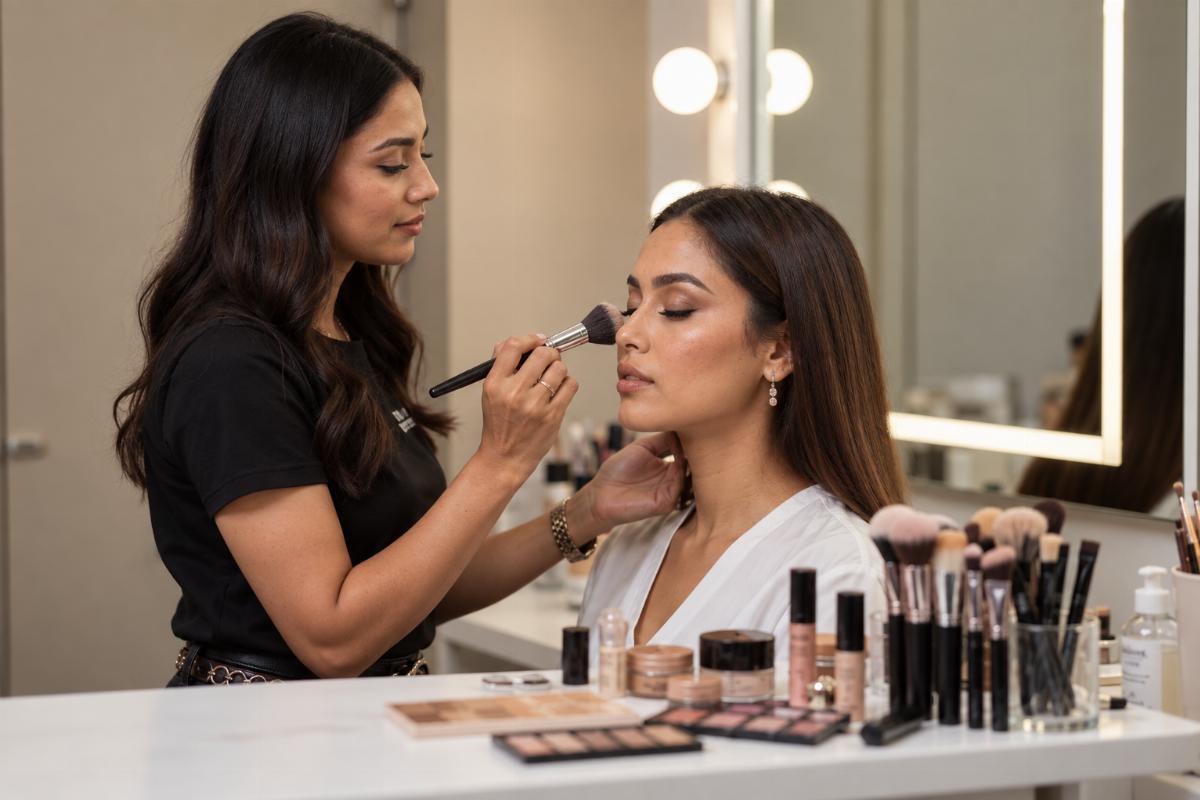
Cosmetology is the professional practice of beautifying the hair, skin, and nails through services like haircuts, coloring, facials, makeup application, manicures, and pedicures. Cosmetology practices include scientific care and health and safety standards to ensure each client is properly cared for. If you enjoy styling hair, working with beauty products, or providing nail and skincare services, this field could be a perfect fit for you.
Cosmetologists and nail technicians spend their days helping clients look and feel their best while working with creative tools and products. Over 1 million women are licensed cosmetologists in the U.S. as stated by (NLM). If you already enjoy doing these things for friends and family, it is a great opportunity to turn your passion into a paid career.
-
Hair: Careers include hairstylist, hairdresser, colorist, and barbers in distinct training tracks. Training in this branch covers cutting, coloring, styling, and chemical treatments such as perming and straightening. It also builds knowledge of trichology, the study of scalp and hair disorders, and some professionals focus on blow drying as a standalone styling service.
-
Skin: Cosmetologists perform basic skincare services like facials and makeup application. For a specialized focus, estheticians provide treatments like facials, body wraps, hair removal, microdermabrasion, chemical peels, and specialized services such as eyelash extensions and lash and brow work, which typically require additional training and licensure for licensed professionals. Makeup artists often work on special events, photography, and fashion.
-
Nails: Nail technicians provide manicures and pedicures using gel and acrylic products, as well as applying creative nail art. They also polish and decorate nails and must follow strict sanitation and tool disinfection practices, especially in nail salons.
For aspiring and current cosmetologists, nail technicians, estheticians, beauty professionals, and salon owners, understanding the industry is only the start.
This guide walks through education and licensing requirements, business structure choices such as forming an LLC, marketing strategies, and client retention. It also covers how to form and maintain your business with Firstep Business Solutions, and provides a step-by-step checklist for opening a cosmetology business. These resources are designed to help you protect personal assets, meet legal requirements, manage risk, and run a stronger operation.
Salon owners may face a variety of daily risks, including client slip-and-fall accidents, chemical burns or allergic reactions from dyes and bleaches, and fire hazards from hot tools or flammable sprays. Formaldehyde is classified as a human carcinogen by (OSHA), and exposure to the toxic trio can raise reproductive health risks for women working with salon chemicals. Additionally, they often manage operational and financial challenges such as worker misclassification, staffing turnover, and strict cash flow pressures. About 20% of hairdressers stop practicing due to allergies as states by (NLM).
Education, Training, and Cosmetology Program Paths for Becoming a Licensed Cosmetologist
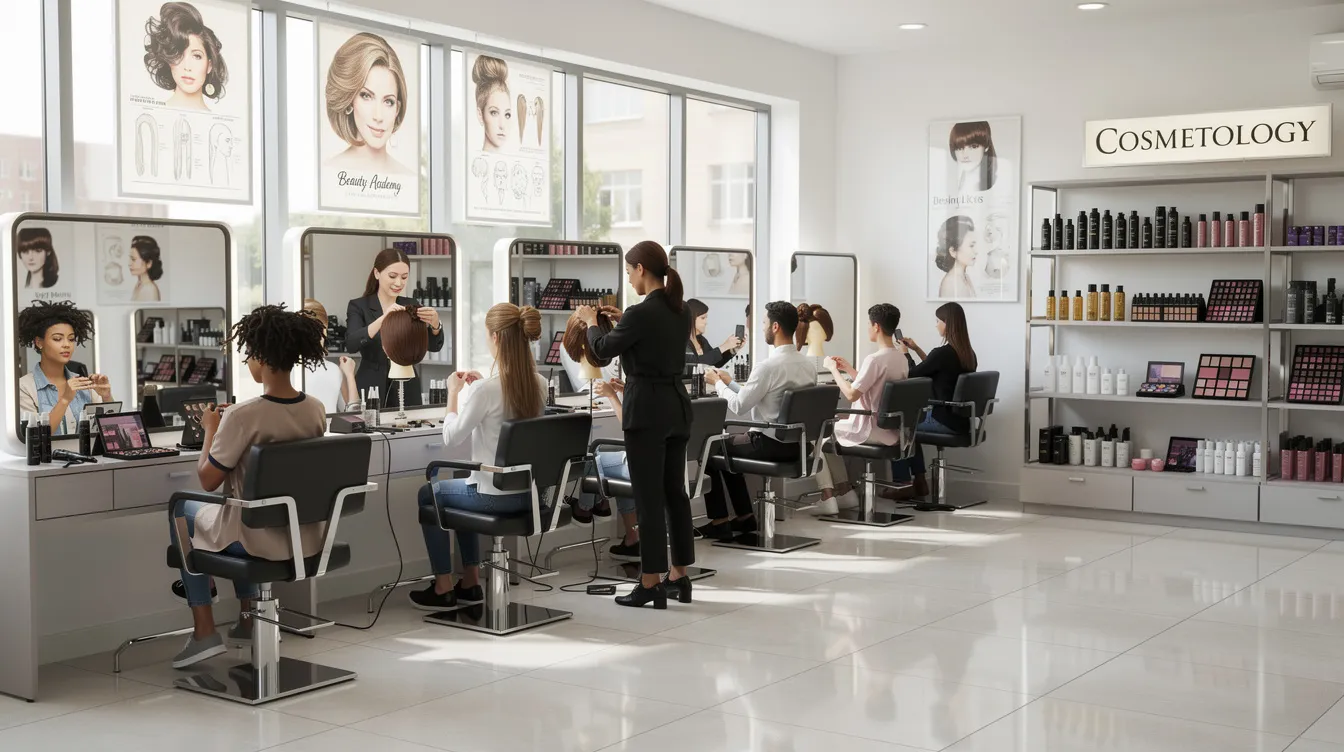
There are various cosmetology programs and paths available, depending on your specific goals and area of specialization, including barber programs for barbers and specialized tracks for estheticians. A cosmetology certificate is a fast, hands-on training program (8 to 18 months) focused strictly on beauty techniques to qualify you for a state licensing exam. The curriculum usually includes theory and practical instruction designed to build core competencies and make graduates eligible to sit for the state examination and practical exam to obtain licensure, and students must complete an approved course of study before applying for a cosmetology license. Alternatively, a cosmetology degree (usually an Associate degree taking about two years) combines this hands-on training with general education and business management classes.
Either path you choose is fine, but there are key differences regarding time commitment, requirements, and career goals. Additionally, having a degree versus a certificate can qualify you for more advanced or higher-paying positions. Before enrolling, review your state board requirements, the application process, and any certification rules, and check when each class starts.
The time needed to obtain licensure varies by state and often ranges from 233 to 963 days, according to the Institute of Justice and once you are licensed you may decide to register your LLC through Firstep Business Solutions to start your own cosmetology business.
Business Structure Decision: Do Cosmetology Businesses Need an LLC?
If you are currently operating as a cosmetologist or a beautician and are thinking about starting your own business, the first big decision you will need to make is choosing your business structure. This decision will affect everything from the amount you pay in taxes to whether your personal assets are protected in the case of lawsuits or significant debts incurred by your business.
Choosing an LLC as your business structure is an excellent way to start. As a Limited Liability Company, you will receive liability protections from your state of formation. It can also support career growth into roles such as salon managers, who oversee daily operations and manage staff in a beauty establishment.
These protections are vital if your business faces legal action or a lawsuit. State protection ensures that legal claims can only be made against assets owned by the company. Such as company owned tools, space, or vehicles. Your personal assets, such as your house, private bank account, personal car, or boat, are not owned by the LLC and will remain protected. Understanding the corporate veil will help with any questions concerning this matter.
Many newly registered business owners believe that because they operate alone, they should form their business as a sole proprietorship. However, this is often not the best approach, and many solo operators eventually transition from a DBA to a more protective structure after reviewing resources on registering a sole proprietorship or partnership business.
A sole proprietorship, also known as an assumed business name, fictitious name, or trade name depending on the state this means that you and the business are legally the same entity. Consequently, this business structure offers no state liability protections. If your profession involves potential liabilities, forming an LLC is typically your best option to protect your personal assets, and tools like a business structure wizard for liability and tax needs can help you compare options.
This is particularly relevant for certain licensed cosmetologist career paths, such as platform artists who travel to teach advanced techniques, promote products, and provide services for large groups, including wedding parties or other formal events.
Licenses and Insurance for Cosmetologist LLCs
Once you have formed your LLC there will be additional requirements that extend beyond the initial formation of the business, many of which mirror the steps outlined in a comprehensive LLC registration guide on how to register your LLC. You will also need to register for any required business licenses, insurance, and maintain ongoing compliance with the state you're registered in.
Licenses, Permits, and Insurance
The specific licenses and permits required for your business will vary based on your location. Regardless of the state in which your business is registered in, you will typically need a business license to operate legally. Please be sure to check your specific state's requirements to ensure you are fully compliant and have obtained all necessary permits.
Insurance will be required for your business to ensure you and your employees are covered. This will typically include:
-
General liability insurance to cover property damage and bodily injury claims
-
Professional liability insurance (for service-related mistakes or chemical burns)
-
Workers' compensation (mandatory in most states once you hire employees)
-
Business Personal Property / Equipment: Protects your shears, styling tools, and inventory from theft, fire, or damage
How to Form an LLC for a Cosmetology Business
To correctly form an LLC there will be certain steps required to make sure you are following all the guidelines that are put in place by the state you are operating in. These requirements may vary by state, but typically will include a set list of tasks to complete regardless of the state you are in. These will include:
-
Choosing a Business Name - The first step of forming a new LLC will be to choose a name for your business. This will be one of the most important tasks as your business name will be the first thing potential customers see when they are interacting with your business. Also, you will need to check the state database to ensure your chosen name is not actively in use by any other businesses, as your name will need to be unique and distinguishable from other businesses in your state to avoid any confusion. Lastly, you will need to include a designator in your business name such as "LLC" or "Limited Liability Company" in your official business name.
-
Appoint a Registered Agent - All LLCs that are officially registered will need to have an active registered agent with a current physical address listed. Your registered agent will be responsible for receiving any service of process or important notices that are sent to your business by the state or by a court. To be approved, on top of having a current physical address, your registered agent will need to be at least 18 years old, and be available at their listed address during regular business hours to receive these notices which is Monday -Friday 9am-5pm.
-
Submit Your Articles of Organization - This form will be what officially establishes your business with the state you are operating in. Some states may call this something different, such as Certificate of Organization, but these all serve the same purpose. The Articles of Organization will include your business information, registered agent information, and ownership information that will be listed for your business on the state database.
-
Draft an Operating Agreement - The operating agreement will outline the roles and responsibilities of the business owners, as well as detail the processes for how significant decisions are made such as members joining and leaving the business and the decision making process for the business. An operating agreement is useful to determine the ownership percentages of the owners and voting rights to ensure there are no disputes between the owners of the business and owners are aware of their roles.
-
Obtain an EIN - An EIN, or employer identification number, will be issued to your business by the IRS and will act as a social security number for your business. Your EIN will be used for hiring employees, filing taxes, and opening a business bank account. These numbers are only issued to each business once, and they do not expire. If you forget your EIN that you have already gotten, you are able to retrieve it from the IRS but it can be a lengthy process. It's important to keep this documentation in a secure place.
-
Open a Business Bank Account - A business bank will help to establish a clear separation of personal and business finances by creating a separate account only used for your business. This is important for continuing the liability protections granted to LLC owners and make tracking revenues and expenses much easier.
-
Maintain Ongoing Good Standing - For the majority of states you register your LLC in you will be required to file annual reports and register for any required business licenses to maintain your business's good standing. You may need to obtain a general business license if your state requires it, as well as keeping your business information and registered agent information up to date with the Secretary of State to continue operating as a legal business entity.

As stated earlier, depending on the state in which you operate, your business may be required to file additional documentation or obtain specific licensing to maintain good standing. It is important to research these legal requirements thoroughly to ensure no tasks are missed, as compliance regulations vary by state.
Managing your business's ongoing compliance requirements is critical to ensuring your company remains operating legally, and many owners choose to manage their business filings through professional services rather than handling every deadline themselves. First Step Business Solutions can assist with most of your business needs, with the exception of industry-specific licenses, which are typically obtained at the county level.
If your LLC falls out of good standing, you risk losing your liability protections, putting your personal assets at risk. Additionally, the Secretary of State may administratively dissolve your business, meaning it will no longer be considered in legal operating status, which is why many owners use business filing and compliance services powered by Firstep after they register their corporation or other formal entity.